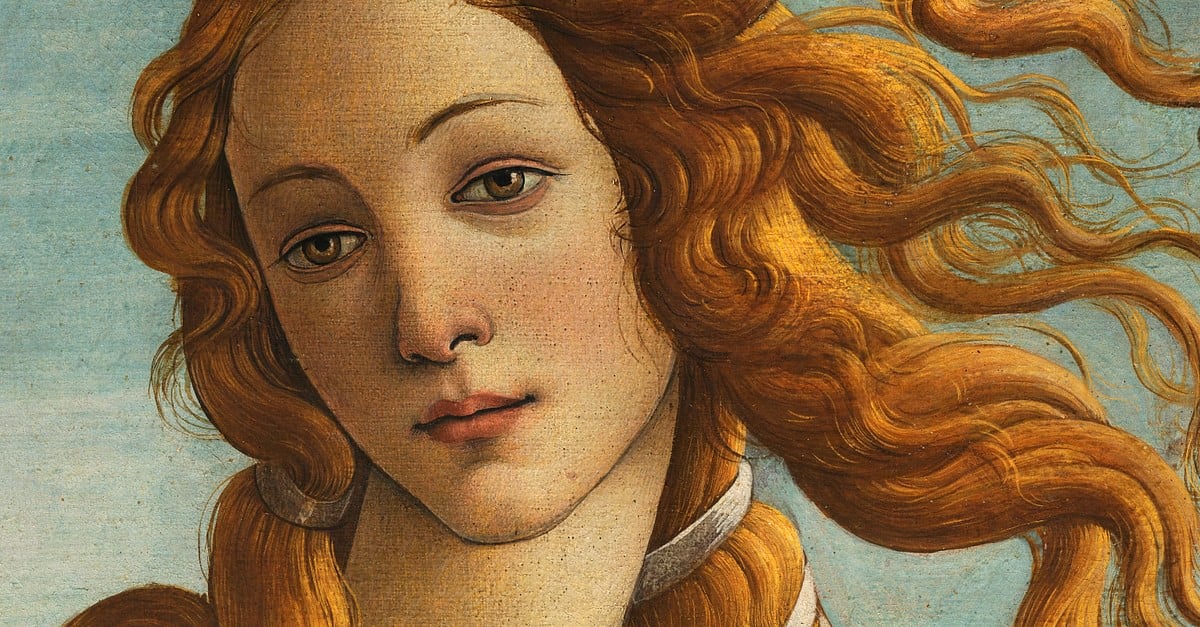
What Is Beauty in Art?
The idea of beauty in art is one of the most hotly contested topics in the field of art criticism. For centuries, writers and critics have struggled to define the essence of beauty in art and how it should be properly evaluated. In recent years, beauty in art has become even more complex due to the rise of digital media and postmodern artworks which no longer adhere to traditional definitions of beauty. In this article, we will define beauty in art, explore its complicated history and analyze how its meaning changes with time and region.
Definition of Beauty in Art
At its most basic, beauty in art is defined as the quality of excellence that gives pleasure or satisfaction to the viewer. It is often linked to the concept of aesthetic value, which is the emotional impact a work of art has on an individual. The concept of beauty in art is often linked to the idea of perfection but, in reality, beauty is far more subjective. What may be considered beautiful to one person might not be to another. Even within a specific art movement or culture, there can be wide variations in what is perceived as beautiful.
Elements of Beauty in Art
The elements that determine beauty in art are complex and can vary from place to place, from era to era, and even from individual to individual. Some of the most common elements of beauty in art include balance, harmony, unity, variety, repetition, contrast, rhythm, symmetry, and form.
⁃ Balance is the equal distribution of visual elements or forces within the artwork.
⁃ Harmony is the blend of opposing elements that create a pleasant effect.
⁃ Unity refers to the arrangement of different parts into a cohesive whole.
⁃ Variety is the use of diverse elements to create interest and prevent the artwork from becoming overly monotonous.
⁃ Repetition is the process of repeating visual elements within a composition to create a unified whole.
⁃ Contrast is the juxtaposition of different elements to achieve a visually striking effect.
⁃ Rhythm is the sense of movement or vibration created by the repetition of elements or visual patterns within the artwork.
⁃ Symmetry is the use of mirror-image elements within the composition.
⁃ Form is the three-dimensional shape of the artwork and the way the elements within it are arranged.
History of Beauty in Art
The idea of beauty in art dates back thousands of years and has been discussed by many of the greatest thinkers in history, from Plato to Aristotle. Ancient Greek and Roman philosophers believed in the concept of the “ideal form”, a type of perfect beauty that could be found in the natural world but could also be achieved through the art of sculpture. During the Renaissance, beauty in art was seen as an essential element of the artistic process, with Renaissance artist Michelangelo arguing that the purpose of art was to reveal the beauty of the world.
In the 19th century, beauty in art underwent something of a shift. Artists began to experiment with non-traditional materials such as plaster, paper, and collage in order to create abstract works that challenged traditional conceptions of beauty. This trend was continued into the 20th century with the rise of modernist and postmodern art movements which sought to redefine the notion of beauty by exploring new forms and techniques.
Different Types of Beauty in Art
Beauty in art can take on many forms. While traditional conceptions of beauty often focus on a classical ideal of beauty (such as the smooth human forms of ancient Greek sculptures), modern art focuses on different types of beauty such as the abstract beauty of a Jackson Pollock painting or the unconventional beauty of a Louise Bourgeois sculpture. Different cultures may favor different forms of beauty, depending on the aesthetic values of that society.
Impact of Society on Beauty in Art
Our ideas of beauty in art are inextricably linked to the values of the culture in which they are produced. Aesthetic values typically reflect the beliefs, values, and ideals of a particular society, which often determine what is considered to be beautiful or aesthetically pleasing. Additionally, the beauty in art can be seen as a reflection of the ideals and aspirations of a culture. For example, beauty in classical Greek sculpture is often linked to the idea of the ideal human form and perfect balance, which was highly valued in Greek society.
Beauty in art is an incredibly complex concept and can be interpreted differently depending on the culture, the region, and the individual. While the idea of beauty in art has been evolving since the ancient Greeks, it is now more complex and subjective than ever before. This is due to the rise of digital media and postmodern art, which no longer abide by traditional definitions of beauty. No matter what form it takes, beauty in art is an essential element of the artistic experience and will continue to be debated and discussed for centuries to come.