
Joan Robinson's Approach to Monopoly and Oligopoly The economic theories of British economist Joan Robinson have been a cornerstone of modern economic thought, particularly in the field of monopoly and oligopoly. Robinson was born in London in 1903 and earned her PhD at Cambridge University in 1933. Throughout her career,...
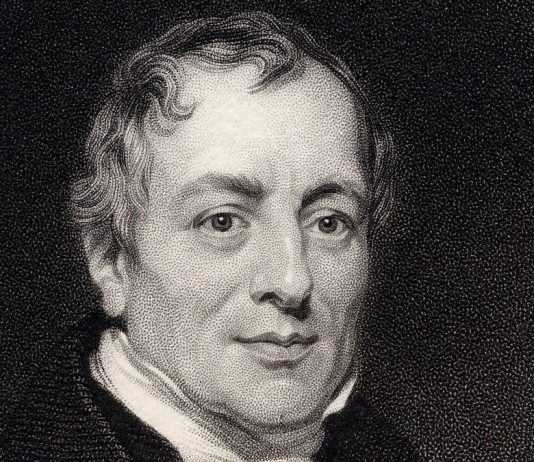
David Ricardo’s Contributions to Classical Economics
David Ricardo (1772-1823) was an influential economic theorist and early proponent of free trade. He is widely regarded as one of the most renowned classical economists, along with Thomas Malthus and Adam Smith. Ricardo was also known for timeless theories and iconic principles, including...
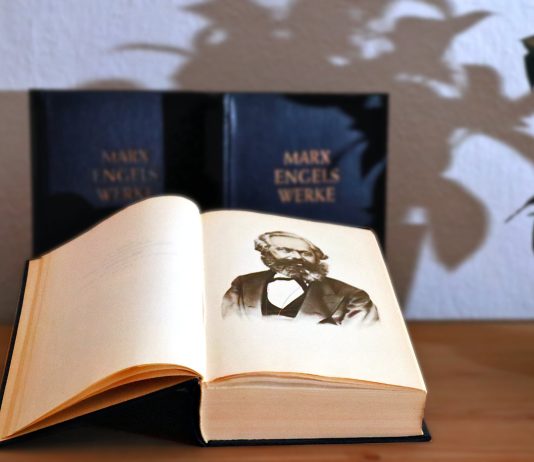
Karl Marx’s Das Kapital is a monumental critique of the exploitative nature of capitalism that has relied heavily upon the labor of the working class. Marx depicts the capitalist class as being driven by the greed of profit, while simultaneously exploiting the oppression of the proletariat. His writings still...
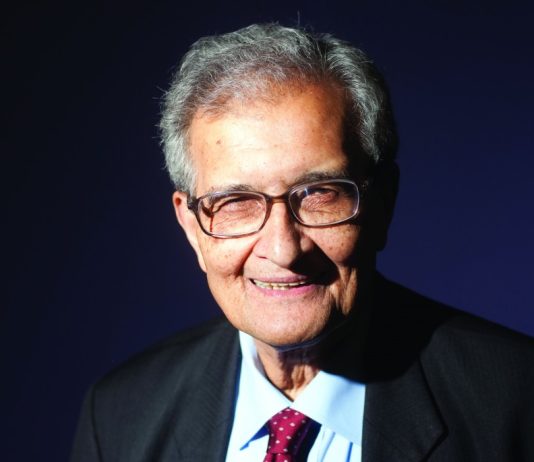
Amartya Sen's Theory of Human Capability Amartya Sen's Theory of Human Capabiltity is a theory of human development based upon the concept of freedom. In it, Sen argues that human capability, or the scope of an individual's freedoms and potentials, is the central factor in determining their development. By expanding...
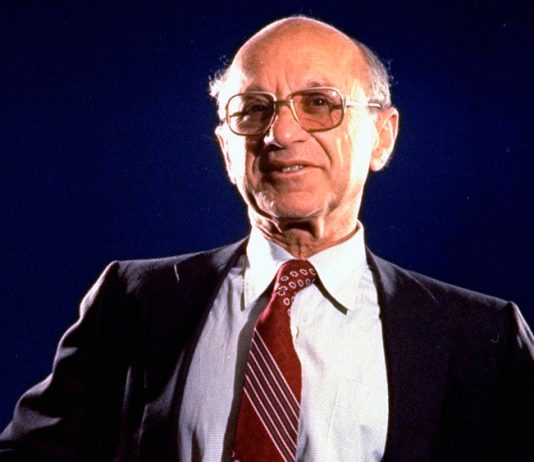
Milton Friedman was one of the most influential economists of the 20th century and his views on economic policy played a huge role in the emergence of the neoliberal economic model. The Nobel Prize winning economist is most celebrated for his work on Monetarism, which he argued was a...

The Price of Inequality: Joseph Stiglitz's Critique of Neoliberalism
The modern economy has been the focus of much political debate in the past few decades, with both sides of the political aisle vying for the most economically efficient systems. In the United States and in many developed countries, the reigning...
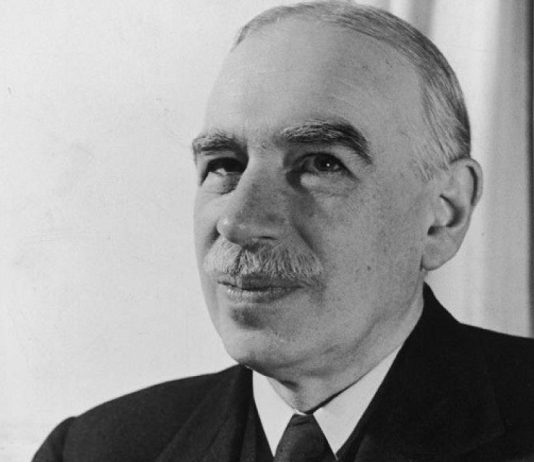
John Maynard Keynes' Contributions to Macroeconomics
John Maynard Keynes was an influential British economist and thinker whose theories transformed macroeconomics and continue to impact the way we think about economic policymaking today. He was the most influential figure in British economic policy in the 20th century, and is widely known...

Adam Smith is one of the most renowned economists of all time. Born in 1723 in Scotland, Smith was a great thinker who developed several key concepts concerning economics and wrote "The Wealth of Nations", which is often considered the first comprehensive economic treatise in history. The book was...

What Is An Economist? Definition, Role and Duties
The field of economics is vast and complex, so it can be difficult to understand the full scope of an economist’s work. In brief, an economist is an individual who studies the production, distribution and consumption of goods and services. They are...

The Quantity Theory of Money
The Quantity Theory of Money is one of the oldest and most widely accepted economic theories related to money and inflation. In its simplest form, the Quantity Theory of Money states that money supply and the general price level of goods and services are directly...