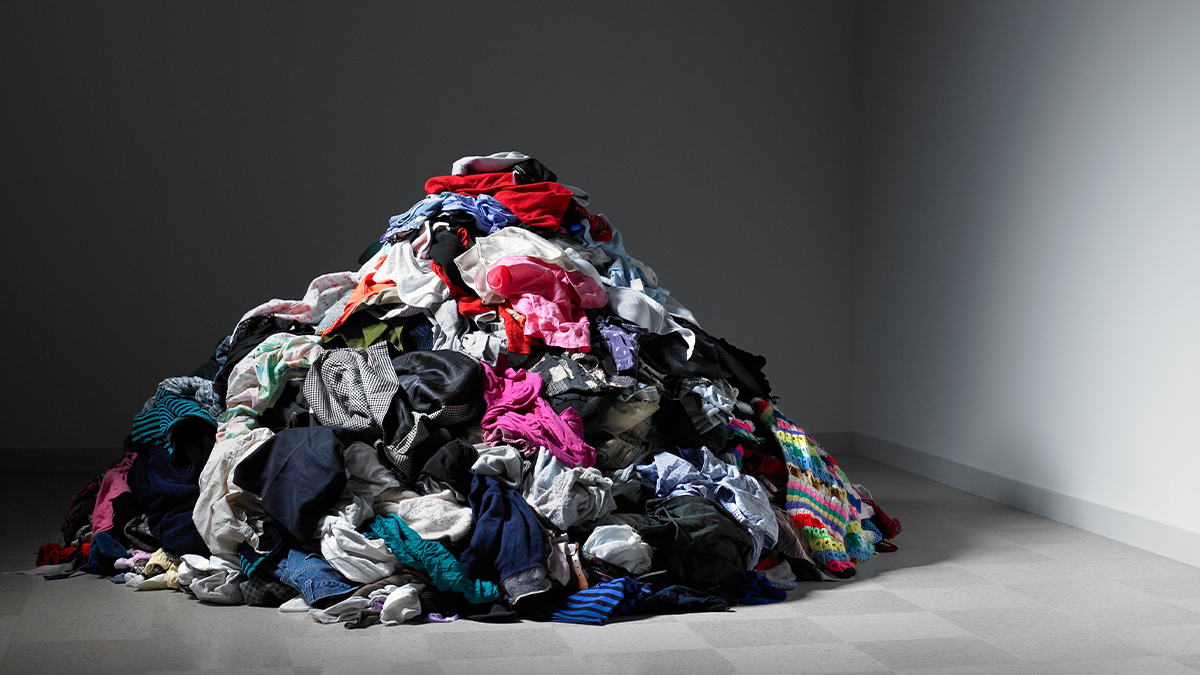
The fashion industry is a massive, multi-billion-dollar industry, with high-end designer clothing and mass-market retail products accessible to people all over the world. For years, the fashion industry has been accused of having a major role in climate change — and it is only now that businesses and consumers are beginning to take action to help lessen the environmental impact of fashion.
In this article, we’ll discuss how the fashion industry is contributing to climate change, the proactive measures being taken to reduce the environmental footprint, and what consumers can do to have a positive impact.
What Is Climate Change?
Climate change is the result of long term global warming caused by the release of certain gases, such as carbon dioxide, methane, and nitrous oxide into the atmosphere. This rise in temperature has a direct effect on the climate of the planet, causing extreme weather and the steady melting of polar icecaps. In the last 100 years, the temperature has risen by about 0.8 C, and it is a concerning trend that needs to be addressed.
How Is the Fashion Industry Contributing to Climate Change?
The fashion industry is a major contributor to climate change, with the production process and materials used having significant environmental impacts. Here are some of the ways in which the fashion industry is having an adverse effect on the environment.
- Manufacturing Process
The fashion industry is highly dependent on the use of machines, chemicals and energy in the manufacturing process. Chemical pollutants, dyes and formaldehydes are commonly used in the production of fabrics and cause significant air, soil, and water pollution. The manufacturing process also consumes vast amounts of energy and releases significant amounts of carbon dioxide into the atmosphere, making it one of the largest contributors to global warming.
- Materials Used
The materials used to make fashion items are also largely unsustainable. Many of them such as cotton and polyester, require a great deal of water and energy to create, and undergo harsh chemical treatments to obtain various textures and colors. Synthetic fabrics such as polyester, nylon, and acrylic are made from petrochemicals and take hundreds of years to decompose. Natural fabrics, such as silk and wool, are even more damaging as these generally involve harsh animal-cruelty practices.
- Textile Waste
The fashion industry produces a huge amount of textile waste each year, which ends up in landfills or incinerators. Not only does this create additional environmental impacts, but it is also a great waste of materials, with only a fraction of textiles actually being reused or recycled.
What Measures Are Being Taken to Reduce the Fashion Industry’s Impact?
In recent years, a number of initiatives have been put in place to reduce the environmental impact of the fashion industry. Here are some of the measures being taken by businesses in the fashion industry to reduce their environmental footprint.
- Sustainable Materials
Manufacturers are increasingly turning to sustainable materials such as organic cotton, hemp, and bamboo, which use less water and no harmful chemicals during production. Biodesign materials such as pineapple leather, mushroom leather and corn-based fabrics have also been developed, which are biodegradable and have less of an impact on the environment.
- Recycled Materials
The use of recycled materials is a growing trend in the fashion industry and is increasing the use of sustainable resources. Companies like Patagonia, have created premium recycled materials from used plastic bottles and old fishing nets, which are then used to produce high-quality clothing. Not only does this reduce the need for new materials, but also significantly reduces the amount of waste generated.
- Minimizing Manufacturing Process
Manufacturers are also making efforts to reduce the number of chemicals and energy used in the manufacturing process. A number of initiatives, such as the Responsible Manufacturing Standard and the Sustainable Apparel Coalition’s Higg Index, have been put in place to assess and improve the sustainability of fashion processes worldwide.
Depending on the production process and materials used, the environmental impact of producing a piece of clothing can vary considerably. For instance, producing a cotton t-shirt may require more than 2,700 liters of water, while producing a synthetic shirt may require more energy and chemicals.
What Can Consumers Do to Reduce the Fashion Industry’s Impact?
As a consumer, you have the power to make a huge difference to the environment and reduce the fashion industry’s impact on climate change. To do this, we need to adopt more sustainable and ethical practices when it comes to buying and disposing of clothing.
- Buy Fewer Clothes
We should all be more mindful of our purchases and try to buy fewer items of clothing. Instead of buying the latest trends, try to buy timeless pieces — these will last longer and require fewer replacements.
- Shop Responsibly
When shopping for clothing, it is important to be aware of the production processes and materials used by the different brands. There are plenty of brands out there that have committed to sustainability and ethical practices, so shop around and choose those that align with your values.
- Buy Quality
Opt for higher-quality materials as these products will generally last longer than cheap alternatives. Choose classic designs and invest in a few key pieces rather than stocking up on lots of disposable trends.
- Donate or Recycle
When the time comes to dispose of an item of clothing, try to donate to charity or take it to a shop that will accept donated goods. If this is not possible, it is best to recycle the item, as many materials can be reused or re-purposed into other products.
The fashion industry is a major contributor to climate change and it is important that we all take steps to reduce its environmental impacts. From manufacturers to consumers, we can all play our part in helping to reduce the fashion industry’s contribution to global warming. By following the steps outlined in this article, we can all work together to create a cleaner and more sustainable fashion industry for the future.