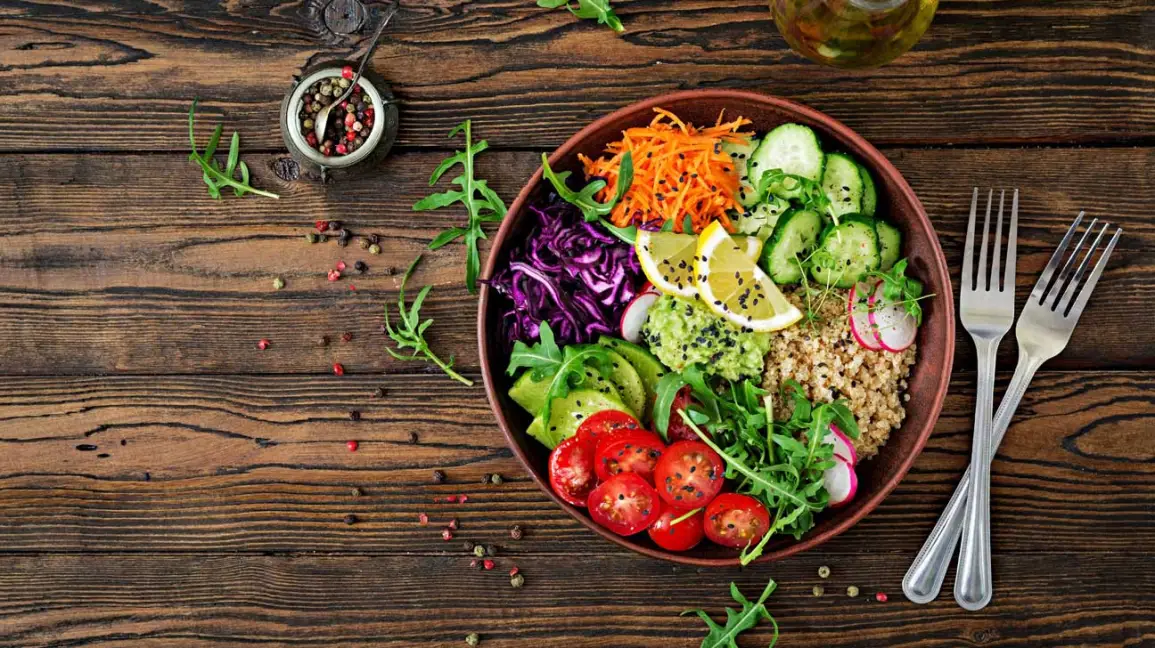
How do vegetarians get enough protein?
This is a commonly asked question by those considering transitioning to a plant-based lifestyle, looking to understand how to ensure that they are providing their body with all the necessary nutrients without consuming animal products. The truth of the matter is, getting adequate protein is actually quite simple – even for vegetarians. In this article, we’ll cover the basics to answer this important question: How do vegetarians get enough protein for optimal health?
What Is Protein?
Protein is an essential macronutrient that our bodies need in order to function properly and build new tissues. It’s made up of amino acids, small molecules that link together to form large structures that provide our cells with energy. Protein can be found in both animal and plant foods, but it’s important to note that plant proteins are typically incomplete, meaning they don’t contain all nine essential amino acids that the body needs from food.
Benefits of Protein
Protein is important for many reasons. Not only is it essential for building muscle, but it also helps to boost immunity, support healthy digestion and even curbs cravings. Protein also helps to keep you feeling full and satisfied, which can help when it comes to maintaining a healthy weight.
Vegetarian Sources of Protein
Fortunately, there are several vegetarian sources of protein that can provide the necessary amino acids for optimal health. Here is a list of some of the most commonly consumed plant-based sources of protein:
-
Beans: Black beans, kidney beans, chickpeas and other types of beans are an excellent source of plant-based protein.
-
Nuts and seeds: Almonds, cashews, pistachios, walnuts, sunflower seeds, flaxseeds, and chia seeds are all excellent sources of protein.
-
Tofu and tempeh: Soy products like tofu and tempeh are excellent complete sources of protein for vegetarians.
-
Quinoa: Quinoa is a unique source of plant-based protein, as it is considered a complete protein.
-
Lentils: Lentils are a great source of fiber and essential amino acids, making them an excellent source of plant-based protein.
-
Edamame: Edamame is another form of soy and can be added to salads or enjoyed as a snack when boiled or steamed.
-
Whole grains: Whole grains provide a good source of carbohydrates and protein, without adding unnecessary fats or calories.
-
Nut butters: Nut butter made from almonds, cashews or peanuts can provide a good source of essential amino acids.
-
Hemp seeds: Hemp seeds are not only a great source of plant-based protein, but they are also high in omega-3 fatty acids
-
Spirulina: Spirulina is a type of blue-green algae that is becoming increasingly popular among vegetarians as a great source of complete protein.
Meeting Your Daily Protein Needs
Once you’re familiar with the vegetarian sources of protein, it’s time to focus on meeting your daily protein needs. The recommended dietary allowance of protein for adults is 0.8 grams per kilogram of body weight per day. So, for example, if you weigh 75 kilograms, you would need about 60 grams of protein per day for optimal health.
To ensure you meet your daily protein needs, be sure to include a variety of protein sources in your meals. For example, adding a tablespoon of nut butter to a bowl of oatmeal and topping it off with a handful of nuts and seeds can give you around 10-15 grams of protein. Similarly, adding a cup of cooked lentils to a stir-fry is an easy way to get another 20 grams of protein. If you’re looking for a quick snack, blending a shake with a scoop of vegan protein powder, fresh fruit, and almond milk can give you 20-30 grams of protein.
You can also utilize different techniques to increase the protein content of your meals. Plant-based milks such as soy, almond, and oat milk are naturally high in protein, so you could use these to replace cow’s milk in recipes. Additionally, you could also integrate ingredients such as nutritional yeast, which is high in B vitamins and a complete protein, into your meals.
Tips For Ensuring You’re Getting Enough Protein
Finally, here are some helpful tips to ensure you’re getting enough protein and other essential nutrients on a vegetarian diet:
-
Focus on whole foods and aim to get at least two servings of legumes and two servings of whole grains at each meal.
-
Incorporate a variety of high-protein snacks throughout the day for a balance of macro and micronutrients.
-
Choose plant-based proteins with a variety of textures and colors to mix up your meals.
-
Utilize plant-based milks and ingredients like nutritional yeast to increase the protein content in recipes.
-
Supplement with a vegan protein powder to meet your daily protein needs.
Eating a vegetarian diet does not have to mean sacrificing adequate protein intake for optimal health. Plant-based proteins can provide the essential amino acids your body needs to thrive, and there are a variety of sources and techniques to ensure you’re meeting your daily protein needs. By incorporating the tips provided in this article, you can ensure that you are providing your body with all the necessary nutrition it needs without consuming animal products.