Futurism: The Avant-Garde Art Movement That Predicted the Digital Age
Throughout history, art movements have often endeavored to reflect, interpret and push the boundaries of culture. One influential modern artistic movement that captured the spirit of the future was Futurism. The Futurists sought to capture the speed and dynamism of a modernizing world to create an aesthetic that came to define the early 20th century. What really set Futurism apart was the predictions of the digital age, which the movement captured decades before the internet, cell phones and computer technology came to define our world.
Origins of Futurism
The Futurist movement began in 1907 when a young Italian poet, F.T. Marinetti, composed and published the Futurist Manifesto. This influential document laid out the key ideas behind Futurism, celebrating scientific progress and technology while condemning the ways of the past. Following the document’s publication, Italian Futurism quickly spread from Italy, influencing art and music around Europe.
Manifesto’s Key Ideas
The Futurist Manifesto laid out principles that were intended to inspire individuals to freely express, create and enjoy the brash new age of technology. For example, Marinetti wrote about rejecting the constraints of the past, particularly those of the Catholic Church, as well as the traditional values of looking back at history as a guide for the future. In contrast, Futurists looked to technology and the energy of youth to propel them forward into a new age.
Innovations of Futurism
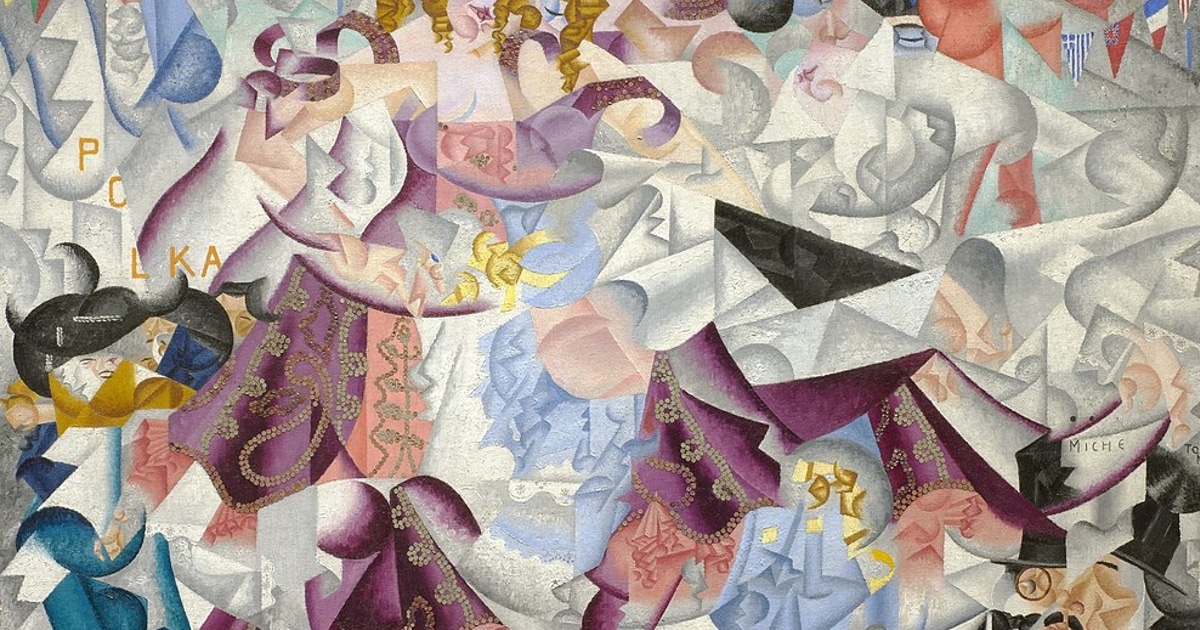
The European avant-garde art movement sought to innovate and disrupt the traditional art of the time. Futurists embraced the newer technology of photography and projected light to create moving art. They also experimented with techniques such as collage and non-linear storytelling. Artists such as Giacomo Balla and Umberto Boccioni are celebrated for their pioneering works.
Boccioni’s “Dynamism of a Soccer Player” (1912-1913)
When it came to subject matter, Futurists focused on the speed and dynamism of new technology and captured the lives of working-class people. Futurist artists often employed fragmentation and strokes of color to emphasize the movement’s focus on speed and energy. Boccioni’s “Dynamism of a Soccer Player” is one of the best-known representations of the movement and captures the Futurist ideals of dynamism and movement in art.
Predicting the Digital Age
Had Futurism only involved innovative art, it would have been memorable. However, Futurists also made bold predictions about technology that would become true in the future digital age. Futurists believed technology would create a more democratic and interconnected world, which is fundamentally true. They also believed in the emergence of a future where all artistic mediums would merge into a single visual expression of art which certainly feels like an accurate prediction of the future of art given the capabilities of programing and 3D printing today.
Proponents of Futurism
Futurism was fueled by the bold energy of its creators. In addition to Marinetti, some of the key proponents of the Futurism included painter Umberto Boccioni, philosopher Benedetto Croce and poet Giovanni Papini. These individuals were influential in providing direction for the movement and developed a breadth of expression that spanned literature, music, painting and sculpture.
Futurism’s Impact on Modern Art
Many of the ideas championed by Futurists can be seen throughout modernism, art and design. The respect of opposing viewpoints combined with the disregard to rules and conventions of art are seen in the works of Picasso and the cubist movement. Modernism also expresses a respect for the industrial technology of the time period and embraces the dynamism of a commercial world.
Futurism was an influential antithesis to the art of the past and ground- zero for modernism as we know it today. The avante-garde movement rejected the old values of looking back and rejected traditional art conventions to create a revolutionary new aesthetic. It predicted and even embraced the technology of a digital age before the world was ready for it. And it inspired artists to this day to continue to push boundaries of art and embrace the dynamism of modern life.