
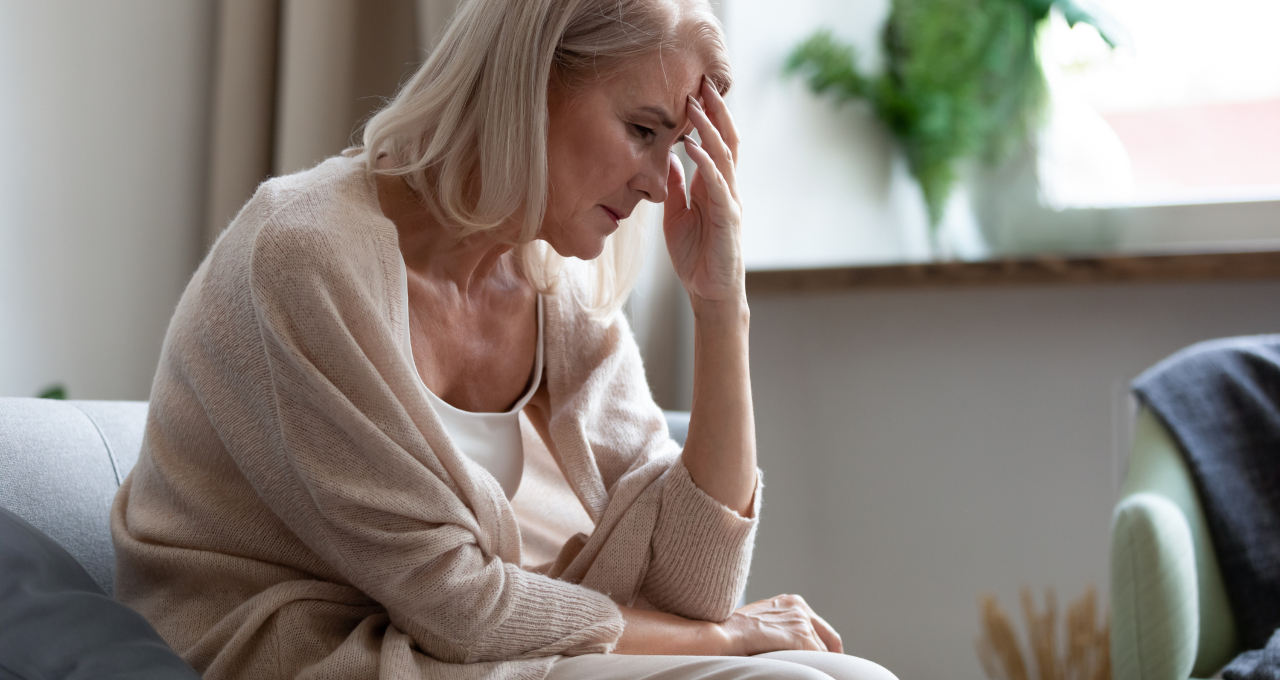
What Is Menopause?
Menopause is a natural process that all women go through as they age. It marks the end of a woman’s reproductive years, when her body stops producing estrogen and progesterone hormones. During menopause, a woman may experience a variety of physical and emotional symptoms, including night sweats, hot flashes, mood swings, vaginal dryness, and decreased libido. The most common symptom of menopause is irregular periods, which can last for several months or even years.
The average age of menopause is 51, but it can occur earlier or later. Most women go through menopause between the ages of 45 and 54. Other factors, such as smoking or medical conditions, can cause menopause to occur earlier or later.
Menopause is a natural part of life, and it’s important for all women and their partners to be aware of it and its symptoms in order to adapt and manage them properly. Fortunately, there are a variety of treatments and lifestyle changes that can help ease the transition.
Types Of Menopause Treatments
There are a variety of treatments available to help ease the transition into menopause. Treatments can involve lifestyle changes, medications, or both. The right approach will depend on each woman’s individual needs.
- Lifestyle Changes
Making lifestyle changes can be an effective way to reduce symptoms and improve quality of life. Some lifestyle changes that may help include:
• Exercise: Regular exercise can help manage hot flashes, night sweats, and overall fatigue.
• Diet: Eating a balanced diet can help boost energy levels and reduce symptoms.
• Stress Management: Finding ways to cope with stress, such as meditation, deep breathing, or yoga, can help reduce physical and psychological symptoms.
• Sleep: Getting a good night’s sleep can help improve overall health, mood, and energy levels.
- Medications
There are a variety of medications available to treat or reduce menopausal symptoms. These include:
• Hormone replacement therapy (HRT): HRT can help treat hot flashes and night sweats. It involves supplementing the body with hormones to restore hormone levels to those seen before menopause.
• Non-hormonal medications: Non-hormonal medications, such as antidepressants, can be used to treat mood swings and vaginal dryness.
• Natural remedies: Natural remedies, such as phytoestrogens and black cohosh, can be used to treat hot flashes and night sweats.
It’s important to note that not all medications are right for everyone. Talk to your healthcare provider to discuss the risks and benefits of any medication before starting a new treatment.
When To Seek Medical Attention
Menopause is a natural process, but symptoms can still be difficult to manage. If you are struggling to cope with your symptoms, or if you are experiencing any of the following, make an appointment with your doctor:
• Unusually heavy menstrual bleeding
• Frequent urination
Benefits Of Menopause Treatment
Treating menopausal symptoms can have many benefits, both physical and psychological. Treatments can:
• Reduce the severity and frequency of hot flashes, night sweats, and other physical symptoms.
• Improve sleep quality.
• Enhance energy levels.
• Promote positive mood and mental well-being.
• Improve quality of life.
In addition, some treatments, such as HRT, have been shown to have protective effects against certain chronic conditions, such as heart disease and osteoporosis.
Risks And Side Effects Of Menopause Treatment
Every woman’s experience with menopause is different, and there is no one-size-fits-all solution. It’s important to talk to your healthcare provider about any potential risks or side effects associated with any treatment. Common side effects can include:
• Hormonal therapies: Hormonal therapies, such as HRT, can increase the risk of stroke, heart attack, blood clots, and other cardiovascular problems.
• Non-hormonal medications: Non-hormonal medications may cause nausea, weight gain, and other side effects.
• Natural remedies: Natural remedies, such as black cohosh, may cause headaches, dizziness, and nausea.
Menopause is a natural process that all women go through as they age. While it can be uncomfortable, there are a variety of treatments and lifestyle changes that can help reduce or manage the symptoms. It’s important to talk to your healthcare provider to discuss the risks and benefits of any treatment before starting a new treatment. With the right approach, menopause can be made easier and more manageable.


