What Is a Stimulus Check? A Comprehensive Guide
With the passage of the Coronavirus Aid, Relief and Economic Security Act (CARES Act), the federal government announced that most Americans can expect to receive a one-time economic impact payment, usually referred to as a “stimulus check.” This direct payment of up to $1,200 per individual ($2,400 for married couples) is designed to provide relief to individuals and families who may be struggling financially due to the economic downturn caused by the coronavirus pandemic.
The idea behind the payments, commonly known as stimulus checks, is to boost household income, helping the US economy recover. As such, Congress has instructed the Internal Revenue Service (IRS) to send economic impact payments to eligible taxpayers based on their 2019 or 2018 tax return.
This article will provide an overview of the stimulus check program and what individuals need to know in order to determine their eligibility and receive their payment.
Eligibility Requirements
In order to determine eligibility for the stimulus check, the IRS will use the filing status and adjusted gross income (AGI) from either the taxpayer’s 2019 or 2018 federal income tax return. The following conditions must be met to be eligible for the payment:
- US citizens or resident aliens
- Have a Social Security Number (SSN)
- Meet applicable income limits
- Have a valid 2019 or 2018 tax return on file
Income Limits for Stimulus Check
In order to be eligible for the stimulus check, individuals must meet certain income limits. The following table shows the income limits for the different tax filing statuses.
Single: AGI must be less than $75,000
Married Filing Jointly: AGI must be less than $150,000
Head of Household: AGI must be less than $112,500
Stimulus Payment Amounts
Individuals who meet the eligibility requirements will be entitled to receive a stimulus check of up to $1,200 per eligible individual, or $2,400 for married couples. In addition, individuals with dependents under 17 years old will be entitled to an additional $500 per dependent.
How Will Stimulus Checks Be Sent?
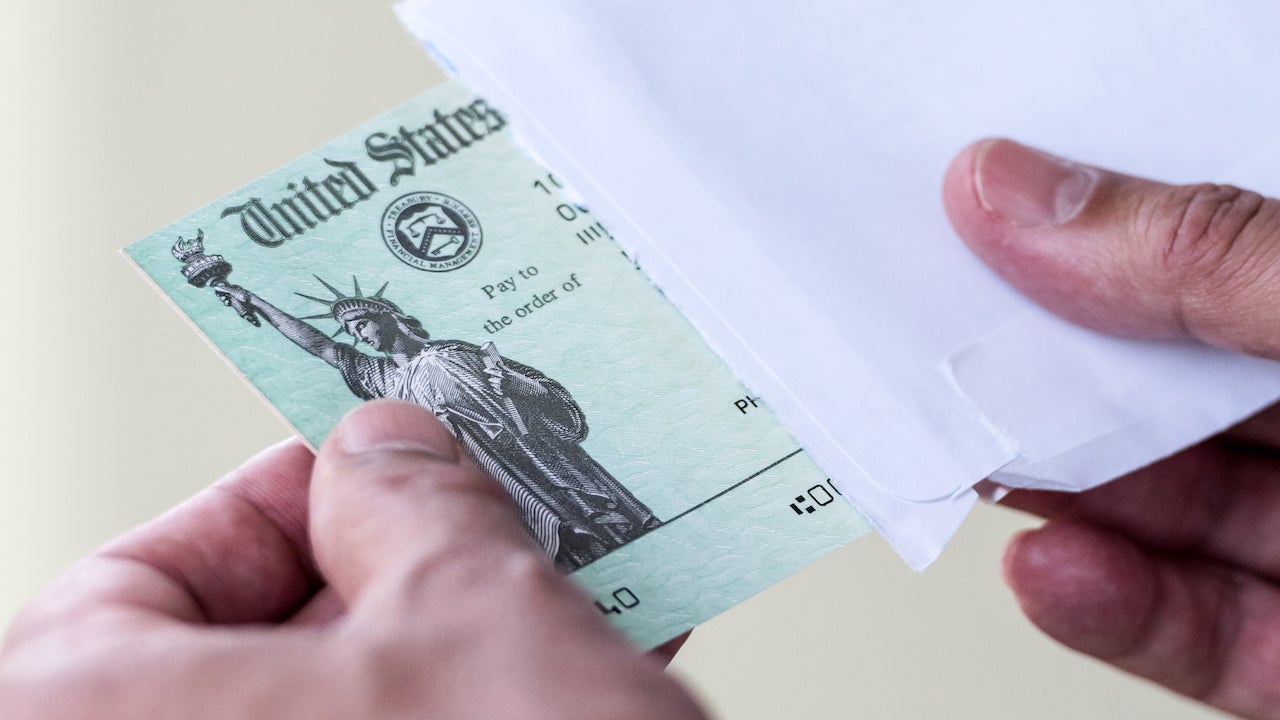
The IRS will use either direct deposit information from an individual’s most recent tax return, or if not available, will mail a paper check to the individual’s address. The stimulus checks will be sent out in phases.
When Are Stimulus Checks Expected to Arrive?
The first batch of stimulus checks are expected to be sent out in mid-April. However, the timeline for the remainder of the payments is still uncertain. The IRS has said that payments may be made throughout the year, depending on the individual’s eligibility and tax return filing status.
What Is the Coronavirus Stimulus Payment?
The coronavirus stimulus payment is a one-time payment issued by the federal government as a part of the Coronavirus Aid, Relief and Economic Security (CARES) Act. The payment is intended to provide financial relief to individuals and families affected by the economic crisis caused by the coronavirus pandemic. Eligible individuals can receive the payment in the form of either a direct deposit to their bank account, or a paper check mailed to their address.
What Should I Do If I Haven’t Received My Stimulus Payment?
If an individual has not yet received their stimulus payment and believe they are eligible, there are a few things they can do. First, they can use the Get My Payment Tool on the IRS website to check the status of their payment. This tool will provide information on the date and method of delivery.
If the payment has been processed and hasn’t been received, the individual can contact their bank to see if the payment is pending or check their most recent tax return to make sure all the information is up to date.
If the individual believes they should have received the payment, but have not, they can contact the IRS at 1-800-919-9835 for assistance.
The stimulus check program is a vitally important part of the Coronavirus Aid, Relief, and Economic Security (CARES) Act, intended to provide financial relief to individuals and families affected by the economic downturn caused by coronavirus. In order to receive a payment, individuals must meet certain eligibility requirements and have either a valid 2019 or 2018 tax return on file. The payments are expected to begin being sent out in mid-April, however, the timeline for the remainder of the payments is still uncertain.
Individuals who have not yet received their payment can use the Get My Payment Tool on the IRS website to track the status of their payment. If they do not receive their payment and believe they are eligible, they should contact the IRS customer care number for assistance.