Is India’s Boom Helping the Poor?
With India’s economy booming and becoming one of the fastest growing of the emerging countries in the world, many are left wondering what impact this has had on the country’s vast poor population. Throughout India, there are pockets of extreme affluence, opulence and luxury, while in the very same cities there are those barely able to survive in abject poverty. So is India’s boom helping the poor?
First and foremost, it is important to note that India is a richly diverse country. Although the nation is on an economic upswing, as with many developing countries, there is still a big gap between the rich and the poor and it will take time for this gap to narrow.
Government Initiatives
In an effort to help better the lives of the impoverished population and assist them in lifting themselves out of poverty, the government has implemented a number of different initiatives. These initiatives have made a big impact on the lives of those in poverty, and have had some real successes in addressing extreme poverty in India.
•Public Distribution System: The public distribution system was designed to ensure no family was left without basic necessities such as food, fuel and clothing. This system gives people access to rationed food and other benefits.
•Jawahar Rozgar Yojana: This scheme was created for the purpose of creating wage employment through infrastructure and social sector projects which are jointly managed by the government and the local communities.
•Employment Guarantee Scheme: This programme provides guaranteed wage employment for 100 days a year for a family of five members living below the poverty line.
•Rajiv Awas Yojana: This scheme is aimed at providing affordable housing for people living in slums, homeless people and those living below the poverty line.
•National Rural Employment Guarantee Act: This legislation makes it compulsory for rural areas to provide 100 days of employment to rural households.
Infrastructure Projects
One of the main impacts of India’s boom is increased investment in infrastructure. From modern airports to high-speed trains, the government is investing heavily in transportation, which increases business development and job creation in the country. This, in turn, helps to reduce overall poverty in India.
Moreover, these infrastructure projects also make life easier for the poor in some direct and indirect ways. For example, improved transportation makes it easier for rural people to access urban areas, where they have more job opportunities.
In addition, roads and bridges make it easier for people in rural areas to access marketplaces and other resources, helping to create a better quality of life for the poor.
Education and Skill Development
The government is also focusing on skill development and education. Skill development programmes provide better job opportunities and greater social mobility for India’s poor. These courses give people the confidence to take on new roles or switch jobs and this helps to create a more equitable society.
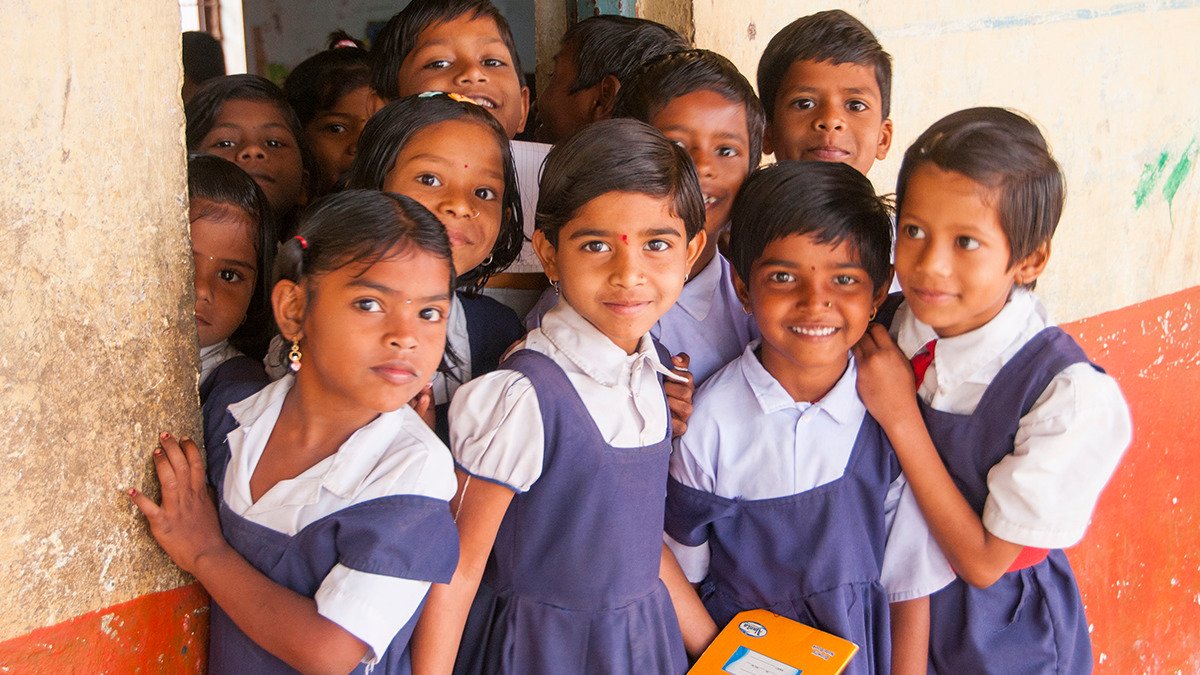
Moreover, the government has also taken steps to improve access to education. This includes providing free education to children from low-income families, giving them a better chance at accessing a high-paying job and moving up the economic ladder.
Although there is still a long way to go before India’s poor population is completely lifted out of poverty, the government has taken significant steps to improve the welfare of its citizens. Through improved infrastructure, public distribution networks, skill development courses, and increased investment in education, the government is helping to create a better life for those living in poverty. Therefore, it is fair to say that India’s boom is, in part, helping the poor.