Hip muscles play an enormous role in the way we move and help us perform everyday activities. Problems or injuries to the hip muscles can cause limited mobility, discomfort, and pain. As many of us lead sedentary lifestyles, it’s important for us to understand the different hip muscles and how they work together so we can enjoy healthy, pain-free mobility.
In this article, we’ll explore the different hip muscles and describe how they help us move. We’ll also look at ways to keep these muscles healthy and mobile.
Types of Hip Muscles
There are four main types of hip muscles involved in regular movement. These muscles include:
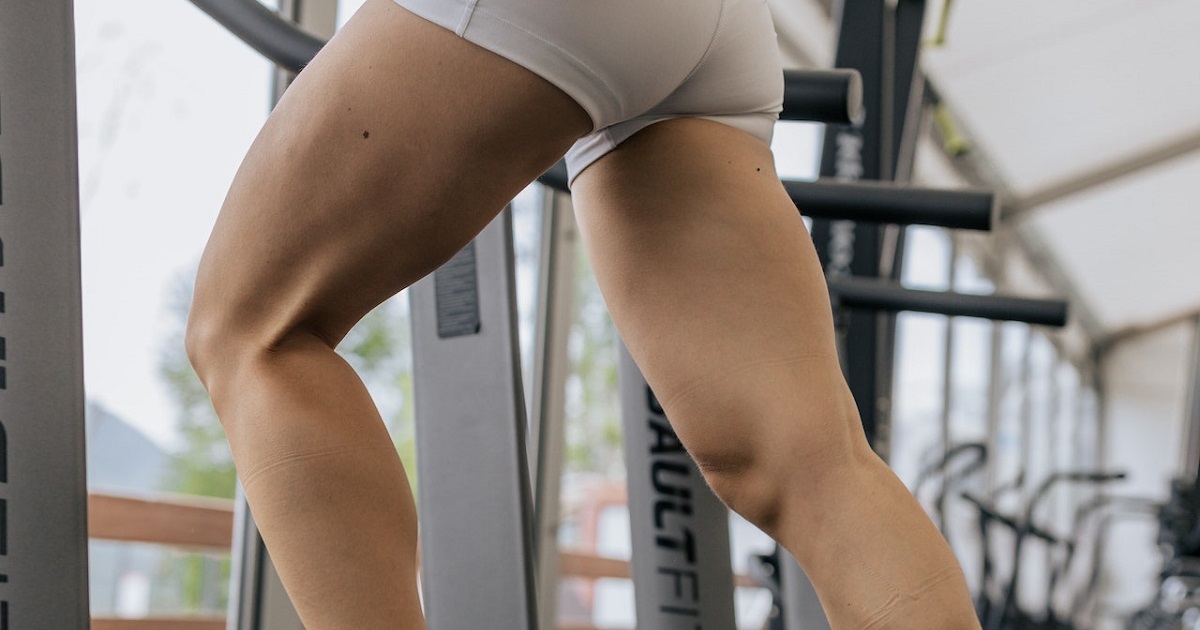
Gluteal muscles: These are the primary muscles of the buttocks, located on the back of each hip. The three gluteal muscles (gluteus maximus, gluteus medius, and gluteus minimus) are important for hip extension, abduction, and lateral rotation of the legs.
Hip adductors: These are five muscles located towards the inner part of the upper thigh. The adductor muscles work together to move the leg towards the center of the body, and can also help stabilize the hip joint during movement.
Hip external rotators: These are six muscles located around the back of the hip, near the top of the thigh. The external rotator muscles help rotate the leg outward, away from the body.
Hip flexors: These are two muscles located on the front of the hip. The hip flexors are important for bringing the leg up towards the torso.
How Hip Muscles Help Us Move
Our hip muscles play a huge role in the way we move. Working together, the hip muscles help us to:
Walk: All four muscle groups work together to help us take steps. The gluteal muscles take the lead in this motion, helping us push off from the foot. The hip flexors, adductors, and external rotators all play a role in everyday walking.
Run: Running requires a repetitive, powerful stride generated by the legs. The gluteal muscles help to provide the power for each stride and the hip flexors, adductors, and external rotators work to stabilize the thigh and hip joints.
Jump: Jumping is a complex movement that requires a combination of many muscle groups. It’s the gluteal muscles that are most important in the jumping motion, providing the powerful extension of the hip joint. The hip flexors, adductors, and external rotators work together to stabilize the legs and hips during the jump.
Cross one leg over the other: Crossing one leg over the other (also called hip adduction) is a movement that’s so simple, we don’t even think about it, but without our hip adductor muscles, it would be impossible. The adductors are the muscles most responsible for this movement.
Kicking: Kicking requires the powerful, coordinated action of several muscle groups. The gluteal muscles, hip flexors and adductors work together to give the legs the necessary power and stability for a successful kick.
Stability and balance: The primary role of the hip and thigh muscles is to give the body stability and balance during movement. All four hip muscle groups work together to stabilize the knees, hips, and torso.
Exercises for Healthy Hip Muscles
If we want to keep our hip muscles healthy, mobile, and injury-free, specific exercises can help us to do this. Strengthening exercises, like squats, lunges, and step-ups, work the gluteal and thigh muscles, while stretching exercises like hip openers, lateral hip opening stretches, and standing hip circles help to keep these muscles limber and flexible.
Core exercises like planks and bridges help to strengthen the abdominals, back and gluteal muscles, which are important for overall stability. Finally, it’s important to remember to perform exercises that help to strengthen the hip abductors, such as side-lying leg lifts.
Yoga, Pilates and Other Low Impact Exercise
Yoga and Pilates are great sources of low-impact exercise that enhance stability, flexibility, and strength. Both of these forms of exercise work to stretch and strengthen all four hip muscle groups.
Yoga postures like Warrior I, Warrior II and Crescent help to open up and strengthen the hip flexor and gluteal muscles. Yoga poses like Lizard, Triangle and Half Moon also help to strengthen the glutes, while also stretching the adductors.
Similarly, Pilates exercises like the Hundred, Single-Leg Circle, and Leg Lifts strengthen the muscles of the core, glutes and thighs. Pilates stretches like the Inner Thigh Stretch and Lying Groin Stretch also help to stretch and release the tightness of the adductors and hip flexors.
Stretching and Foam Rolling
Stretching and foam rolling are important activities for loosening up tight and sore muscles. As we discussed earlier, specific stretches like hip openers, lateral hip opening stretches, and standing hip circles, can help to stretch and release tightness in the hip muscles.
Foam rolling can also be helpful in increasing mobility and range of motion in tight muscles. Foam rolling the glutes, adductors, and hip external rotators can help to loosen these muscles, while foam rolling the hip flexors may help to reduce tension and tightness.
Hip muscles play a huge role in our daily movement, allowing us to perform activities like walking, running, jumping, and balancing. In order to enjoy pain-free mobility and to keep our hip muscles healthy, it’s important to understand the different hip muscles, the role they play in movement and the best exercises to keep them strong and healthy. Regular stretching and foam rolling can also help to keep the hip muscles healthy and lessen discomfort if any tightness or pain is present. With the right approach, we can certainly keep our hip muscles healthy and functioning optimally.