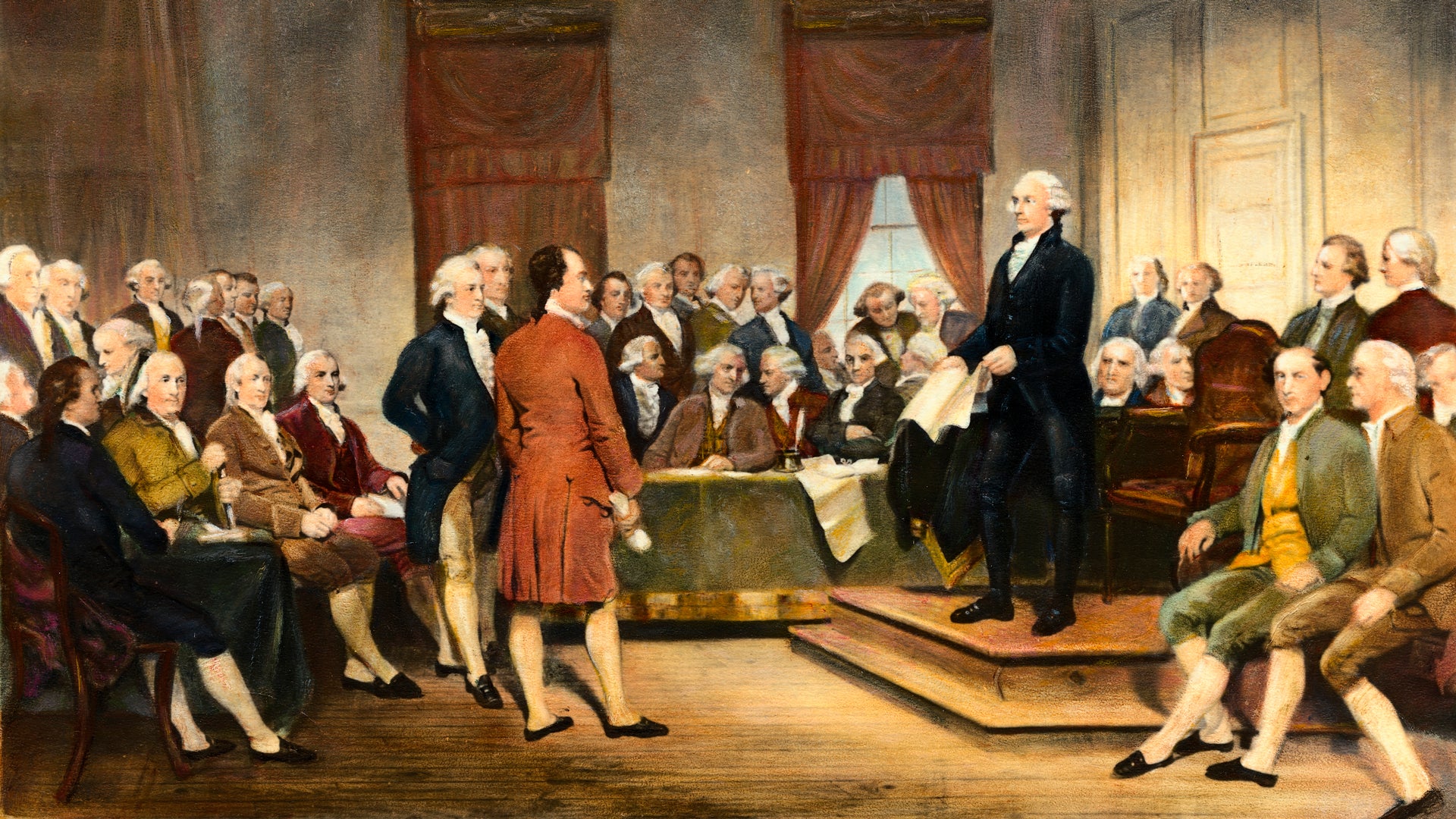
Constitutions: Why Are They Important?
A constitution is a set of rules and regulations that define the fundamental political principles and establish the structure of the government. In general, it is a document that outlines the framework of a government or institution and outlines the legal powers and duties of each branch of government, as well as how those powers should be exercised. It is also a document that expresses the general will of the people and serves as a contract between the government and the citizens of the nation, with each agreeing to adhere to the agreed limits of power. Simply put, a constitution defines the limits of governments and the powers of the citizens of the nation.
Despite the fact that constitutions may differ slightly from country to country due to the many diverse cultures, languages, socio-economic conditions, and politics, the importance of a constitution is universal. Constitutions are essential in any democratic society as they serve as the primary means of limiting the powers of the government in order to protect citizens’ fundamental rights. For this reason, they are regarded as the cornerstone of any democratic state. The following are some of the key points explaining why constitutions are so important:
-
Establish Rules and Laws:
A constitution creates a unified system of laws and regulations that governs a nation. It establishes the powers of government and defines the rights of citizens. It also sets up a framework for the management of the country and provides citizens with a clear sense of their rights and obligations. This is necessary in order to maintain a healthy and stable society. -
Ensure Governmental Responsibility:
A constitution acts as a check on the power of the ruling party. It provides for the periodic election of representatives and creates a system of checks and balances. This ensures that the ruling party is held accountable for their actions and prevents the potential abuse of power. -
Protect Fundamental Rights:
Constitutions are essential for protecting fundamental human rights. It serves as a legal document that protects citizens from unfair or arbitrary government action and guarantees their rights to freedom of speech, protection from unjust imprisonment, the right to due process, and other essential civil liberties. -
Provide Freedom:
Most people believe that democracy can only exist when there is a constitution. It creates a system of laws that ensures freedom and justice and enables citizens to live harmoniously with one another. Without a constitution, citizens would be subject to the whims of their rulers and have no legal protection against abuse of power. -
Establish Equality:
One of the primary goals of a constitution is to ensure equality of the citizens. It protects the rights of individuals and provides a framework that enables all citizens to enjoy the same rights and privileges regardless of their class, race or gender. -
Guide Changes in Society:
Society is constantly changing and evolving. A constitution helps guide this change and ensures that it is done in accordance with the fundamental principles and values of the society. Without a constitution, changes in society may be arbitrary and haphazard. -
Provide Stability:
A constitution is important for creating stability in a nation. It provides the citizens with a sense of certainty and confidence, and helps to maintain peace and order. Without a constitution, a nation would be vulnerable to social unrest and chaos.
All in all, constitutions are essential for creating a safe, secure and stable society. They provide citizens with legal protection from government usurpation and guarantee their fundamental rights, protecting them from unjust or arbitrary government action. Constitutions also ensure that no one is above the law and that all citizens have equal rights and privileges. Finally, constitutions provide stability by establishing laws and rules, which provide citizens with a sense of comfort and confidence.
It is clear to see why constitutions are so important for any nation. Without a constitution, a country would be vulnerable to chaos and social unrest, and citizens would have little legal protection from government abuse of power. Thus, it is essential that all countries have a strong, well-drafted constitution in order to ensure the safety and wellbeing of their citizens.