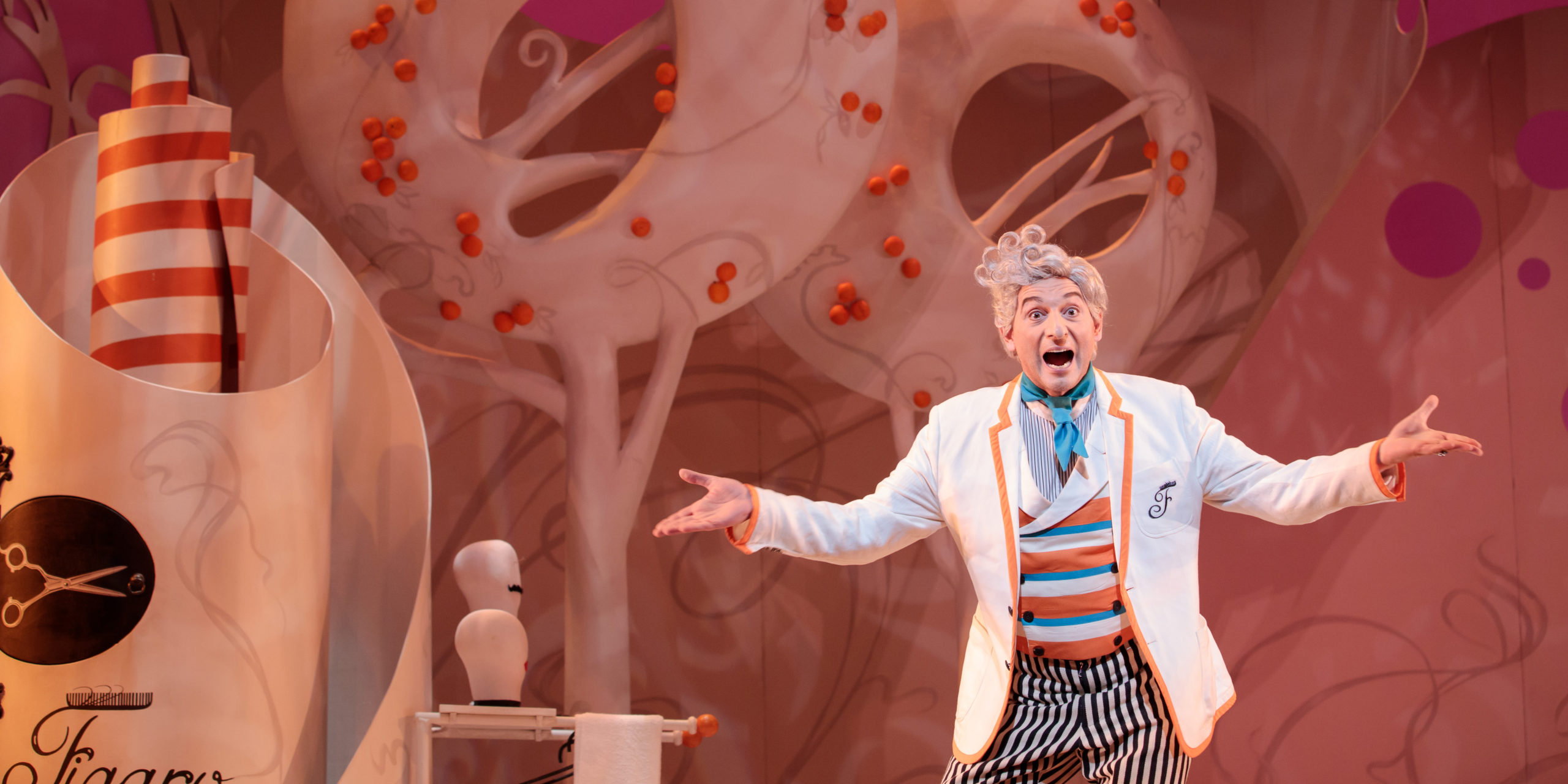
Opera buffa is an Italian musical genre that flourished in the late 18th century, typically consisting of comic operas that center around humorous situations. Opera buffa sharply contrasts with the more serious grand opera genre that dominated Italian opera houses during the same period. Though opera buffa was held in much lower regard than grand opera, it gradually gained more and more attention throughout Europe as composer’s innovations and performances won over audiences hearts. This article will explore how opera buffa rose to prominence in the late 18th century.
Background of Opera Buffa
Opera buffa had its roots in the intermezzo, an uncomplicated musical theatre form intended to offer relief between the acts of a full-length opera. Intermezzle were revived in Naples in the 1670s around the same time that the city developed its signature genre of buffa as a separate theatrical form from the full-length opera.
Types of Opera Buffa
The earliest opera buffa compositions were one-act buffa with both music and libretto written by the same composer. By the 1760s, however, the genre had expanded to include two-act works with both music and libretto written collaboratively by different composers and librettists. Examples of such works include the opera buffa by the prominent composer Domenico Cimarosa, Il Matrimonio Segreto, and Giovanni Paisiello’s La Molinara.
Development of Popularity
Despite its origin as an intermezzo, opera buffa was not immediately embraced as a serious form in the Italian theatre. It was not until Mozart and other composers noted for their work in opera buffa started to make contributions to opera houses that the genre began to gradually gain popularity.
Mozart’s Influence
Mozart was the first composer to firmly establish opera buffa as a major form of Italian classical music. He composed 17 operas in the Italian buffet format in his short but prolific career and is best known for his works The Marriage of Figaro, Don Giovanni, and Cosi Fan Tutte. Mozart’s ability to write complex yet catchy melodies and convincingly represent comic characters won over audiences.
Other Influential Composers
Other composers associated with the rise in popularity of opera buffa include Gioacchino Rossini, possibly the most successful opera buffa composer of the time. His many notable works include the overture to The Barber of Seville, Stabat Mater, and La Cenerentola. Other noteworthy composers recognized for their contributions to the genre include Antonio Salieri and Gaetano Donizetti, among others.
Roles of Singers and Actors
At the same time that opera buffa composers were redefining the genre, singers and actors were also playing a key role in its development. Performers were cast in comic roles that required more agility and made more use of improvisation than was typical in grand opera. Singers strived to embellish their parts, adding their own flourishes to the music, while their comic timing showed off their talents in a new way.
Musical Innovations
Composers also made several musical innovations in expanding the opera buffa genre. Examples include incorporating the spoken dialogue of commedia dell’arte into libretti, developing subtle melodic and harmonic variations to emphasize emotions, and reducing the size and complexity of choruses. With these and other techniques, composers wrote music that was more conversational and realistic, as opposed to the artificial grand opera style.
Growth in Popularity Through Europe
The revamped form of opera buffa grew in popularity throughout Europe, with audiences eager to experience this exciting new genre for themselves. The works of the revered composers spread beyond the Opera House, with lounge shows and private performances allowing more people to experience the genre. Furthermore, composers delved into other national traditions, with works such as Rossini’s French work, Le Comte Ory, and Donizetti’s German opera, Der Liebestrank, hugely successful.
By the early 19th century, opera buffa had won over opera goers and was firmly established as a major musical genre in Italy and all over Europe. Its success was due to its clever writing, use of spoken dialogue, real-life situations, and the innovation of its composers. The genre served as a successful contrast to the heavier and more artificial grand opera. So, in a matter of decades, opera buffa established itself as a popular and successful genre that continues to be enjoyed today.