What is the Difference Between Contemporary Art and Modern Art?
When visiting a museum or art gallery, one is likely to encounter two distinct styles or genres of art – contemporary art and modern art. It is common to be unsure of the difference between the two types, especially given that the two styles frequently overlap. In order to better understand what distinguishes each genre and to appreciate the subtle nuances between them, we can look at the defining traits and characteristics of both contemporary art and modern art.
History and Origins of Modern Art
Modern art is essentially split into two branches – modernist art and postmodernist art.
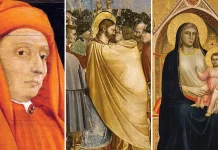
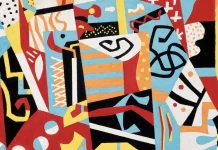
Modernist art, which dates from approximately the 1860s to the 1970s, is said to be an art form that defies tradition while embracing experimentation. Although there were a variety of movements that contributed to modernist art, such as Impressionism and Surrealism, the common thread between them is that they sought to break away from traditional art norms and conventions. A few of the defining traits of modernist art can be summarized as follows:
● Emphasis on the formal qualities of painting, such as composition, color, and line
● Nontraditional subject matter, including abstract themes and inspiration drawn from everyday life
● Limited color palettes
● Flat, two-dimensional surface
Postmodernist art is closely linked to its predecessor, modernism, but it differs from it in that it is a more inclusive style of art. It thrives on variety, and instead of inventing its own visual language, it draws inspiration from pre-existing artistic styles and conventions. Between the 1970s and the present day, a variety of postmodernist movements arose, that often broke the rules of traditional painting. Meetraversing between the dominant period of modernist art and the current era of contemporary art, postmodernism often repeated or reused aspects of classical painting styles to create something entirely new and different. Some of the defining traits of postmodernist art are outlined below:
● The merging of styles and conventions from multiple periods
● Inclusion of visual and written texts, with brighter colors and bolder shapes
● Emphasis on the status of the viewer and their perceived relationship with the artwork
● Conceptual underpinnings
History and Origins of Contemporary Art
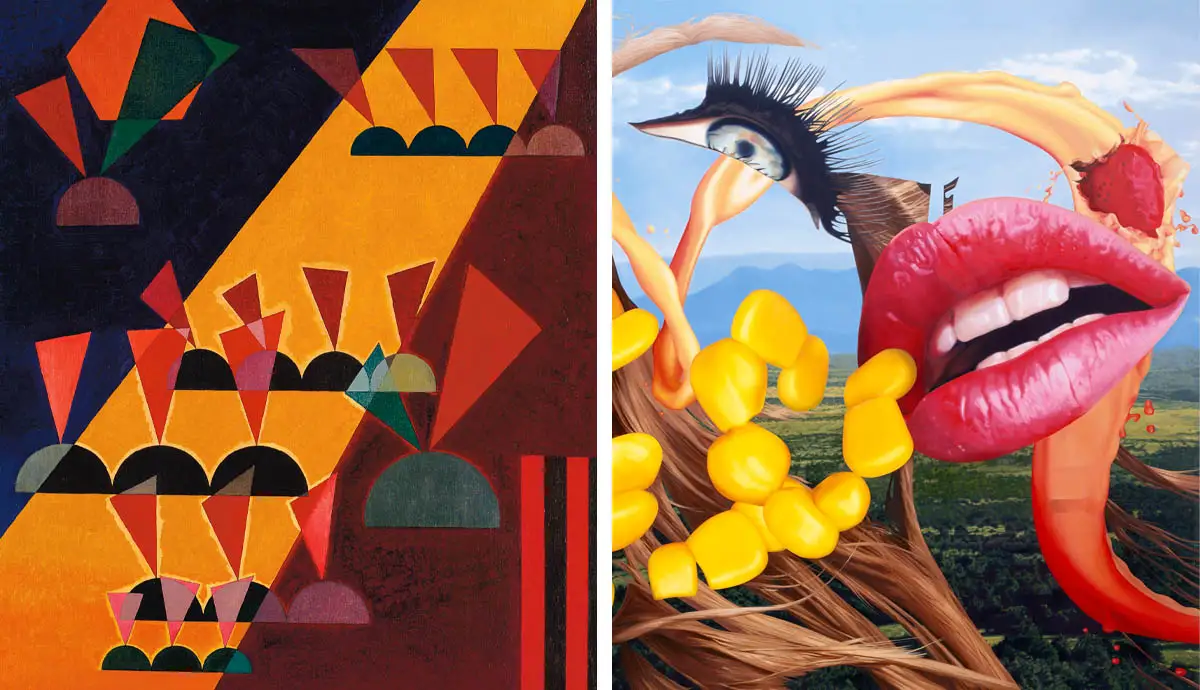
Contemporary art is a much broader term than modern art, and it encompasses all art created from the late 20th century onward. Contemporary art is largely shaped by the technological evolution that has taken place during the last few decades, incorporating the use of modern media, such as video and installation art. Many of the prominent movements within contemporary art share a fascination with the representational power of the inherently modern mediums of photography, film and television.
Some of the main traits of contemporary art are as follows:
● Conceptual underpinnings, such as irony and processes of interpretation
● Negotiation between reality and illusion, life and art
● A breaking away from traditional media, into a new type of art that combines painting, sculpture, and digital technology
● Primarily abstract in form with emphasis on connecting the artwork to the context in which it is exhibited, or to other social states
● Passionate engagement with current political, economic and social issues
Digging Deeper – The Similarities and Differences between Contemporary and Modern Art
Despite their evident diversity, contemporary art and modern art share many similar characteristics that come from the same artistic intent. Both genres embrace innovation, a spirit of experimentation and a challenging of established notions. They both call into question the status of the artist, and strive to push the boundaries of art and creativity.
At the same time, it is notable that contemporary art has a much wider scope than modern art. It incorporates many of the innovative techniques and ideas of modern art, while introducing new approaches, themes and mediums. While modern art often deals with futuristic or utopian ideals, contemporary art dwells much more on the here and now, addressing the political, economic and social realities of the present. It less rigidly adheres to aesthetic conventions, often embracing new and unexpected forms that may not have been considered ‘art’ before.
Modern art and contemporary art are two diverse genres, each with unique characteristics and history. Although they share many of the same traits from the same artistic intent, modern art is often more restrictive in its subject matters and method, while contemporary art pushes the boundaries of what art is and what it can be. As a result, contemporary art is much broader, often dealing with current issues and incorporating the use of updated technology into their works.