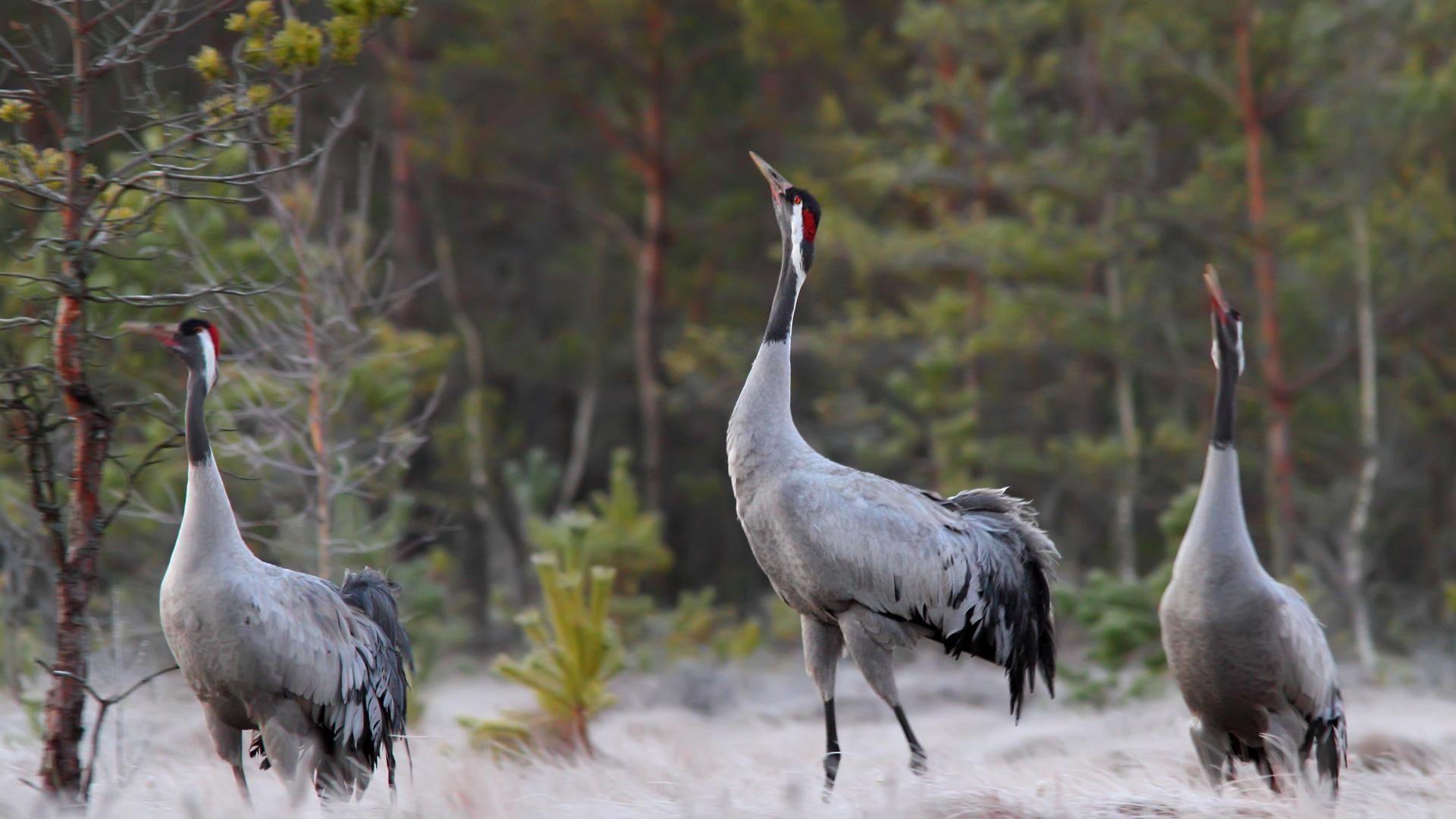
Wildlife conservation is a priority for many countries around the world. Species and habitats are being preserved, protected, and restored in diverse ways. Each country, province, and territory has its own system for managing wildlife resources, public lands, and national parks. In some cases, the scope of conservation initiatives is broader, with national wildlife agencies influencing and managing industry-wide extraction activities.
In this article, we will explore how different countries are preserving species and habitats and the various methods used to ensure their sustainability.
Canada
Canada is working to preserve its natural environment by investing in wildlife conservation initiatives. The federal government is focusing on the preservation of species and habitats through a series of programs, such as the Canadian Wildlife Service and the Species at Risk Act.
The Canadian Wildlife Service (CWS) is Canada’s primary wildlife conservation agency, working to ensure the sustainability of species and habitats across the country. It is responsible for research, management, and monitoring of wildlife, as well as habitats and ecosystems. CWS works with provinces and territories, ensuring that species and habitats are managed with minimal impact on the environment.
The Species at Risk Act (SARA) is the federal legislation in Canada dedicated to protecting species at risk from scending and extirpation. The act was created to protect wild species and their habitats, resulting in a range of measures that offer protection to species at risk.
In addition to federal programs, some provinces and territories have their own wildlife conservation initiatives. Saskatchewan, for example, is investing in wildlife-focused habitat protection and restoration programs, as well as research and public education activities. Alberta has a variety of programs centred around species and habitat conservation, including the Alberta Species at Risk Recovery Plan and the Wildlife Management Act.
United States
The United States is pursuing several conservation programs to preserve species and habitats. The Endangered Species Act protects endangered species and their habitats, while the Wildlife and Sport Fish Restoration Program allows states to use federal funds for conservation and management of fish and wildlife species.
The Endangered Species Act (ESA) is the federal law authorizing the protection and recovery of endangered species. It requires federal agencies to ensure that actions do not result in the jeopardy of any species protected under the act.
The Wildlife and Sport Fish Restoration Program (WSFR) is a grants program offered to states, granting them funds to use in the management, conservation, and enhancement of fish and wildlife. It includes funding opportunities for endangered species projects.
National parks and wildlife refuges are also important parts of the U.S. conservation efforts. These areas encompass large swaths of territory, protecting species and their habitats from human impact.
Europe
In Europe, the European Union has been catalyzing conservation efforts, investing in projects to protect species and habitats. The European Commission’s 6th Environmental Action Programme has enabled several funding streams for conservation initiatives, such as the LIFE Programme and the Natura 2000 Network.
The LIFE programme was established in 1992 to support the conservation and restoration of habitats and species across the European Union. It has three objectives: the preservation of biodiversity, the improvement of the environment, and the promotion of sustainable development. This programme provides grants for projects that focus on habitat restoration and species protection, as well as public awareness and education.
The Natura 2000 Network is the largest network of protected areas in the world. It includes over 26,000 sites in more than 30 countries, with a focus on conserving species and habitats of European importance. The network includes both terrestrial and marine areas, and works to ensure the long-term sustainability of species and habitats across the European Union.
Asia
In Asia, conservation efforts focus on preserving species and habitats while maintaining economic activity. Countries like China and India are investing in conservation initiatives to protect species of local and global significance.
In China, the National Conservation Law and the Endangered Species Protection Law lay down the terms for the preservation of species and habitats. These laws cover activities such as introducing exotic species, altering habitats, and hunting. Special priority is placed on highly endangered species, with national and regional agencies managing their protection.
In India, conservation efforts have been heavily focused on tigers and other critically endangered species. The government has created a network of protected tiger reserves, sanctuaries, and breeding centres to ensure their survival. Agencies like the Wildlife Institute of India have been responsible for key activities such as research and monitoring of tiger populations. India is also investing in programmes for other species, such as mountain ungulates, vultures, and rhinos.
Australia
Australia is one of the few countries in the world that has a national environmental policy to ensure conservation of species and habitats. The National Strategy for the Conservation of Australia’s Biological Diversity (NSCABD) was established in 2002 to provide a framework for conservation of biological diversity across the country.
Australia’s conservation initiatives are focused on maintaining ecological integrity and species resilience. The NSCABD sets out a range of goals and objectives, including investing in research and monitoring, restoring degraded habitats, and reducing threats to species and their habitats.
The Environment Protection and Biodiversity Conservation (EPBC) Act is the main federal legislation for species and habitat protection in Australia.The act creates a framework for protecting and recovering listed species, listed ecological communities, and key threatening processes.
Preserving species and habitats is a priority for many countries around the world. Different countries are investing in various initiatives, from research and monitoring to habitat restoration and public education. Wildlife management practices remain variable between countries, though the overarching goal is the same – preserving those species and habitats that are of value to humans at a global level.
It is clear that successful protection of biodiversity and biodiversity conservation requires the collaboration of multiple stakeholders, from government institutions to NGO’s, individuals, and industry. It is only through collective action that we can ensure a future where species and habitats are maintained and sustained.