What Is Fresco Art?
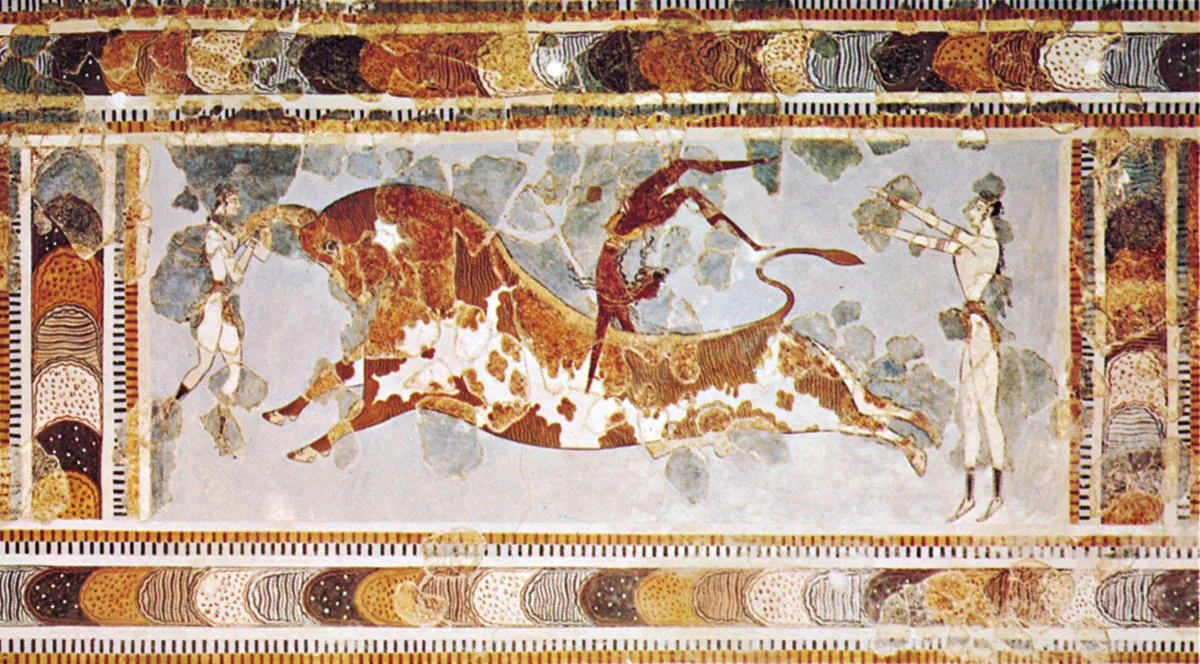
Fresco art, known as buon fresco in Italian, is a type of mural painting which has been in existence since classical antiquity. It involves the application of pigments on wet lime plaster, known as intonaco, to create a lasting and durable painting. The colors have unique characteristics which give fresco art an incomparable vibrancy and high durability over time.
Fresco painting was first practiced in the ancient cities of Mesopotamia, Egypt, and Greece. From there, fresco painting was adopted by the early centuries of Christendom and soon became synonymous with the architecture and art of the early Renaissance period of European history. This type of painting and decoration has since been used to create beautiful, intricate, and timeless works of art in European and world history.
The History of Fresco Art
Fresco art has a long and storied relationship with humanity. The very first murals were found at the archaeological site of Catal Huyuk in Turkey, which dates back to the early 6th millennium BCE. From there, fresco painting was adopted by Early Christian churches and monasteries, eventually being adopted by the Roman Catholic Church and becoming prevalent in the fresco chapels in Italy. Fresco paintings, as well as other wall paintings and mosaics, also began to be done on the interior walls of private homes and villas.
The popularity of fresco painting exploded during the Renaissance. This sweeping movement throughout Europe was characterized by a renewed commitment to the study and practice of classical antiquity, and a heightened appreciation for the visual arts. Fresco painting was the perfect medium for this intellectual and artistic revolution. With its vibrant colors and ability to be applied on site, it was the ideal choice for both traditional and modern scenes. The frescoes painted by Renaissance artists, such as Michelangelo, are some of the greatest works of art from this period.
The Different Types of Fresco
Throughout its history, fresco painting has evolved and been modified to fit particular purposes and styles. As a result, there are several different types of fresco art, each with its own unique characteristics. Here are some of the main types of fresco art:
• Buon Fresco: The traditional Italian technique of fresco painting, Buon Fresco requires the painting be done on freshly applied intonaco to create a more even and lasting finish.
• Mezzo Fresco: The process of mezzo fresco is similar to that of buon fresco, but the color pigments are applied to a partly dry intonaco to create a softer, gentler effect.
• Fresco Morto: This type of fresco painting is applied directly onto a dry wall and is a popular technique used for large-scale murals.
• Spolvero Fresco: The most modern technique of fresco painting, spolvero fresco involves the application of a dry powder onto a dry surface to create intricate patterns and effects.
Benefits of Fresco Art
Fresco art has a number of distinct benefits over other painting techniques. Here are a few of the main advantages of this art form:
• Durability: Unlike oil and acrylic paints, which can become brittle and flaky over time, fresco art is highly resistant to fading and remains vibrantly colored across centuries.
• Versatility: Fresco art can be used on a variety of surfaces, allowing artists to create stunning and lasting works of art in any setting.
• Economical: Fresco painting requires fewer materials than other painting techniques and can be applied in much less time than other methods. This makes it an economical choice for large-scale projects.
Fresco art has a storied and illustrious history spanning millennia. Its vibrant colors and resistance to fading have made it the preferred painting technique for countless artists throughout the ages. Its versatility and economical nature have made it a viable option for anyone wishing to create a timeless work of art. From the Renaissance to the modern day, fresco painting has remained an enduring form of visual expression.