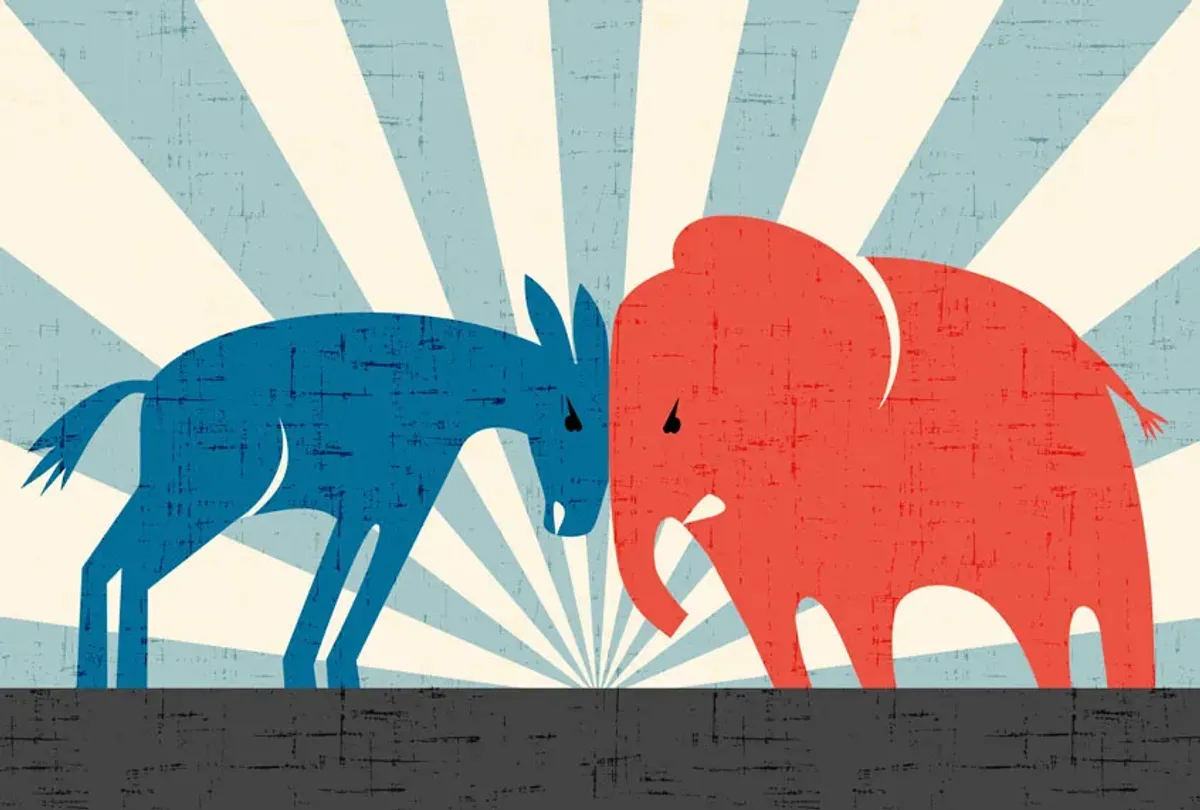
The Multiparty System
The multiparty system is a type of political system where the government is made up of multiple parties or groups vying for power. This system is used in many countries around the world and is most commonly associated with democracy. It’s believed that multiparty systems are more likely to serve the people, as they don’t put all their eggs in one basket. Parties must be better representatives of their constituents in order to get elected.
Advantages of the Multiparty System
-
Diversity of opinion: A multiparty system gives various groups a platform for their views and opinions, thereby creating a diversity of ideas, opinions, and beliefs which the majority of the population can pick and choose from.
-
Improved accountability: In a multiparty system, smaller parties are less likely to be subject to government decisions made by larger majority parties. This provides better accountability if the government is held responsible with smaller parties available to hold the majority party to account.
-
Balanced representation: Due to the multiple parties, minority groups can be more easily represented, allowing for greater dissent in politics and improved decision-making.
-
Proportionality: By having multiple parties, it’s possible to achieve proportionality in decision making, as the parties involved will better represent the collective views of the citizens.
-
Increased participation: Multiparty systems offer more opportunities for the public to participate in politics and the formation of governing decisions.
Disadvantages of the Multiparty System
-
Fragmented government: With multiple parties in a government, it can be both difficult to reach a decision and even harder to enforce it, leading to a fragmented government in which it can be hard to achieve what is needed.
-
Polarization: With multiple parties and intense competition for votes, there can be a tendency for the parties to become more extreme in their views, making it difficult to come to a consensus on important issues.
-
Unstable government: As a result of the fragmentation that can happen, governments can become unstable and unable to carry out necessary policies, resulting in unhappy citizens and a divided nation.
-
Cost: Not only does a multiparty system cost funds for organizations of the individual groups, but it also leads to inefficiency as the parties fight for their own interests.
-
Voter fatigue: With so many parties, it can lead to a situation in which the public is unable to identify with the government due to lack of knowledge over the political parties. This may lead to voter fatigue, leading to a decrease in voter turnout.
The multiparty system has some clear advantages regarding diversity of opinion and improved accountability, as well as balanced representation and proportionality. The ability for the public to participate in politics is also an advantage. At the same time, it’s not without its disadvantages such as a fragmented government, polarization, an unstable government, the cost of running multiple parties and the potential for voter fatigue.
Ultimately, the multiparty system can have positive effects depending on the country, but it’s not necessarily a system that works for everyone. Ultimately, it’s up to the citizens of the country to decide whether or not it’s better for their specific nation.