
Dictatorship: An Alternative to Democracy?
Democracy has been the foundation of many modern countries, and helps provide a crucial sense of stability in nations which value freedom and human rights. But while it may be the most common form of government, it certainly isn’t the only one, and there is...

Conflicts in Politics Conflicts in politics have been ever-present throughout the history of human civilization. In the case of modern politics, conflicting views, interests, goals, and identities have become even more pronounced. Political conflicts often arise when individuals or groups feel their needs are not being met, when stakeholders feel...
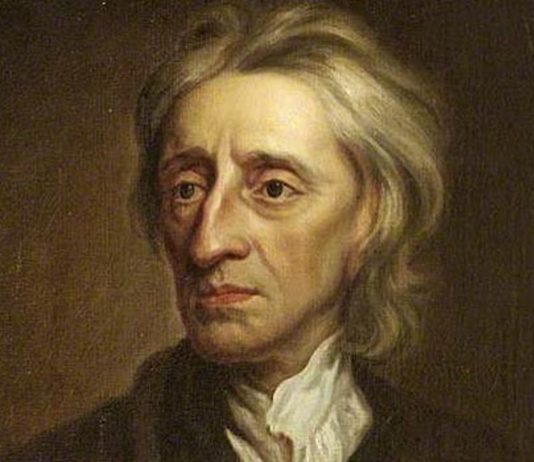
John Locke’s Approach to State Power
Today, many of the biggest political questions focus on how much control states should have over their citizens and how much power individual citizens should be afforded. This debate has roots in the theories of political theorists who lived many years ago. One of...
Can Competition in Democracy Help a Government?
What is Competition in Democracy?
Competition in a democratic government is defined as the process of having multiple candidates and parties competing in a free and fair election in order to choose a leader of a country. This type of competition is seen as...
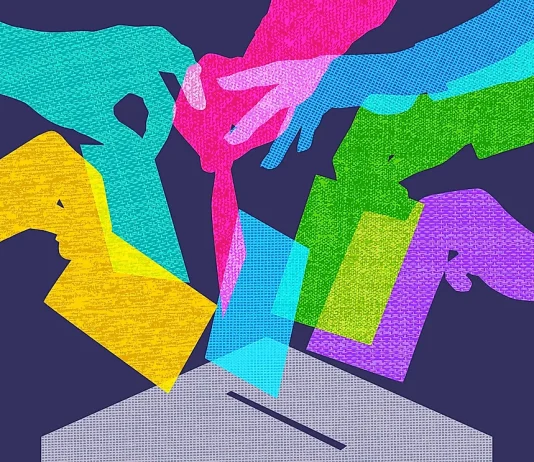
What is a Democratic System? A democratic system is a political system where the people participate in the governing process, typically through elected representatives. Democratic systems of government offer the population power over their government and the opportunity to hold their elected officials accountable. Democracy is associated with representative government,...
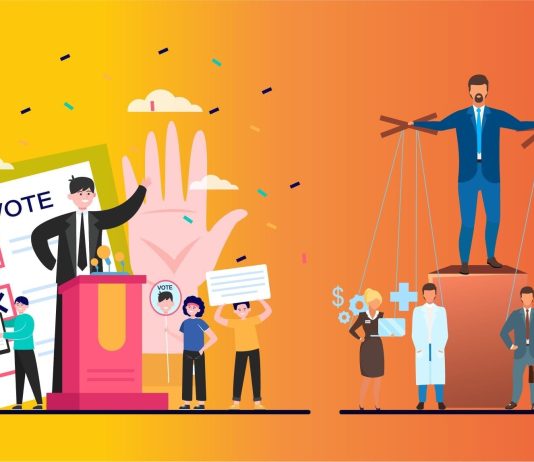
What makes a democracy more powerful than a dictatorship? Though both systems of government are forms of authority that implement laws and decide how to allocate resources, certain differences exist between them. In short, democracies are better equipped to address the needs of citizens and provide basic services, bolster...

What is Risk-Taking and Government’s Intervention?
Risk-taking is an important part of life and it plays a role in almost every decision we make. It's a necessary prerequisite for progress and growth in both our personal and professional lives. Governments across the world have taken the responsibility to intervene for...

Collective action problems (CAPs) are a core economic concept that can be applied to many real-world situations. CAPs occur when the benefits and costs associated with a particular action are not evenly shared among the all the individuals who are engaged in the activity. A perfect example of a...

Who Determines the Winner in an Election? The act of voting is the cornerstone of democracy. Every election requires millions of votes to be cast for each applicant in order to determine which candidate will become the winner. The process of counting and tallying those votes is complicated and can...

Electoral systems are an important element of any democracy. They are methods used by countries to select representatives who will run the government. Over the years, different electoral systems have been developed to better suit a country's needs. Two of the most popular electoral systems are the plurality voting...