
What Is Fiscal Policy? Fiscal policy refers to the actions taken by governments to manage their budgets in order to influence economic activity. From a government's perspective, fiscal policy is used to ensure that the public sector is able to manage the economy effectively by influencing the levels of demand,...

Understanding Fiscal Years
A fiscal year refers to an accounting period of twelve months that ends on the last day of a month. It is used by businesses and governments to report their financial activities. In the US, this accounting period follows a calendar year, meaning it starts on...

What Is the Current US Federal Budget Deficit?
In economic terms, the current US federal budget deficit is the difference between government spending and government revenue (taxation) in a particular fiscal year. A budget deficit equates to more money being spent than taken in through taxation and other income received...
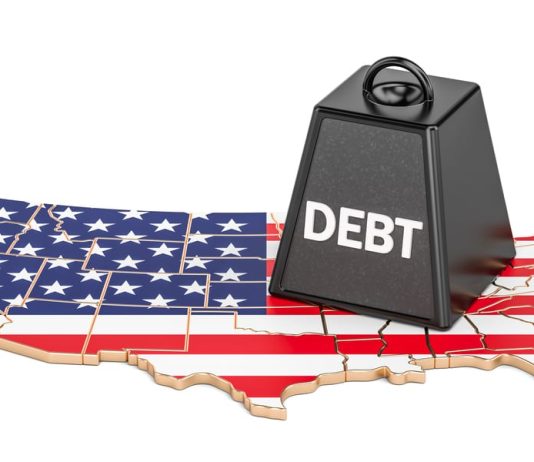
Who Owns the US National Debt?
The national debt of the United States continues to mount and currently stands at more than twenty-one trillion dollars. Understanding who holds this debt and why is important in our understanding of how the U.S. economy works. What are the motivations of each lender?...
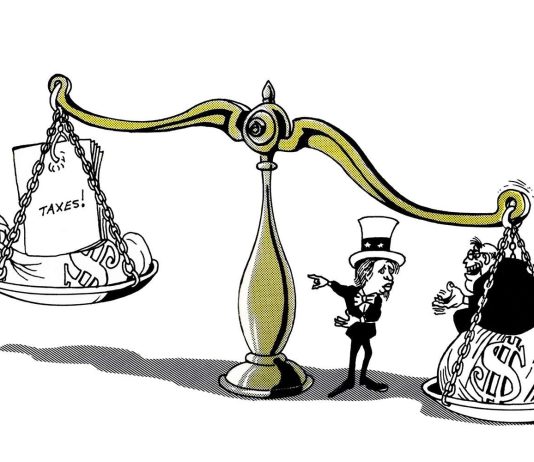
What is Contractionary Fiscal Policy? Contractionary fiscal policy is a type of economic policy employed by countries in order to reduce some of the impact of an economic downturn. This is generally achieved by reducing government spending and raising taxes, with the aim of stimulating private-sector economic growth. It is...

What Is Opportunity Cost? An Essential Economic Principle Explained
Opportunity cost is an essential concept in economics that describes the cost of making one decision over another. To fully understand the concept, it is useful to start by breaking down the components of the definition. From the words "opportunity" and...


Investing in the Stock Market The stock market is a platform where stocks, derivatives and other financial instruments can be bought and sold. It provides a way to access the returns on companies without having to buy a majority of their stock. Investors can also trade in derivatives that track...

Investing in the Future: Building Financial Stability is an essential component of every individual’s overall financial health. Developing a sound financial strategy and plan for the future will help to ensure that you have a secure financial future. Doing so not only helps to protect your current assets, it...

Maximizing Your Wealth: Strategies for Smart Investing
If you want to maximize your wealth and ensure long-term financial stability, smart investing is the way to go. Investing can seem like a daunting task, and there are so many different strategies out there with varying levels of complexity that it can...