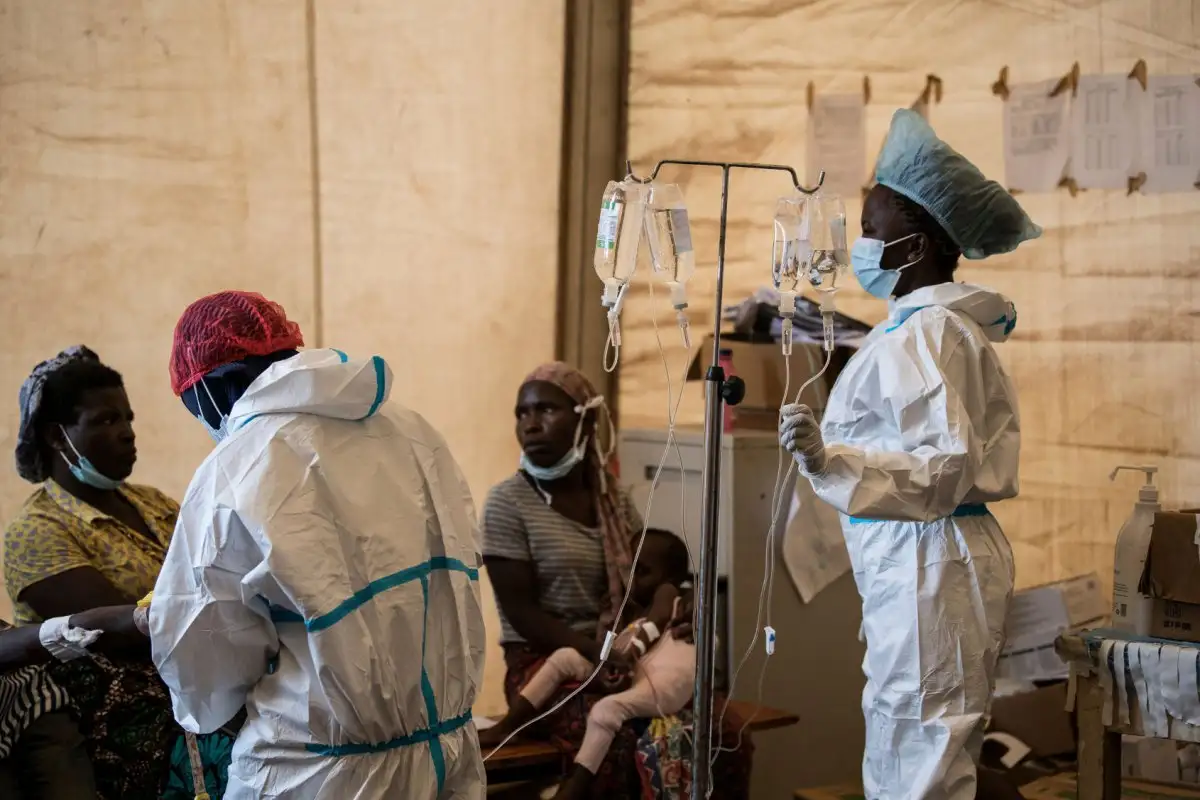
Climate Displacement Leading to Global Cholera Outbreaks
Cholera is a devastating, waterborne disease caused by the Vibrio cholera bacteria. It is typically spread through consuming contaminated water or food. In extreme cases, it can be fatal if left untreated. According to the World Health Organization (WHO), cholera is one of the most environmentally sensitive infectious diseases and can be responsible for a global pandemic when environmental conditions are favorable. Unsurprisingly, recent climate displacement has created a ripe breeding ground for the disease, leading to a skyrocketing number of cholera cases and outbreaks around the world.
How Climate Change is Fueling Global Cholera Outbreaks
Climate change is causing extreme conditions and natural disasters, such as floods and hurricanes that can drive people to evacuate their home country and migrate elsewhere searching for shelter, food and safety. Diseases, including cholera, are spread more easily with increases in human mobility, including weather-driven displacement. During a sudden transfer of human populations to an area, local health services may become overloaded with requests for assistance. In such cases, the services are unable to respond in a timely manner, resulting in poor health care, poor sanitation and a low immunization rate.
Beyond migration, climate change can also impact ecosystems by creating an environment that is more likely to foster the spread of the cholera bacteria. Unregulated urbanization and water pollution caused by climate change can create the perfect medium for cholera to spread. Warmer temperatures increase the growth rate of Vibrio, while floods and heavy rains can destabilize fragile ecosystems, changing the food and water supply sources and creating conditions favorable to cholera outbreaks.
Where Cholera Outbreaks are Most Prevalent
Cholera outbreaks can occur in different regions and countries, although they are most prevalent in low-income countries and coastal regions, especially in areas that are prone to flooding and where sanitation is lacking.
Africa: Despite various initiatives to control and reduce the rate of cholera, African countries still suffer from the greatest burden of cholera outbreaks. The most affected countries include Somalia, Uganda, Mozambique, Zimbabwe, and Kenya. In 2018, the Democratic Republic of Congo had the highest number of reported cases with a total of 15,310 cases.
Asia: Asian countries have seen a drastic rise in reported cholera cases due to climate change and poor public health policy. Bangladesh, India, Pakistan, and Nepal are particularly affected. Nepal reported 18,746 cases in 2018, while Bangladesh reported over 27,000 cases.
Middle East: Cholera has spread to the Middle East where Yemen has experienced one of the world’s worst cholera outbreaks in Yemen. In 2017 and 2019, the WHO reported over a million cases in the country due to conflict, displacement, and lack of sanitation infrastructure.
The Americas: The Americas have seen an increase in cholera cases, especially in Venezuela in 2018 where the WHO reported over 14,000 cases due to unstable political status, displacement, and poor sanitation infrastructure.
The Caribbean: Cholera is endemic in Haiti, where average cases per year range from 10,000 to 20,000. In the Dominican Republic, over 2,000 cases are reported each year.
Europe: Europe has seen a rise in cholera cases, but the numbers are still low compared to other regions. France, the UK, and Italy have the highest number of reported cholera cases.
Preventing and Treating Cholera
It is essential to act quickly and prepare for the emergence of cholera in order to prevent an epidemic. The most effective way to do this is to improve sanitation and hygiene, as well as strengthening surveillance systems to detect and respond in a timely manner when cases are reported.
In order to contain an outbreak, the WHO recommends:
• Establishing proper water supplies and sanitation facilities
• Washing hands frequently with soap and clean water
• Using chlorine properly to chlorinate water supplies
• Preparing food hygienically
• Wearing appropriate protective clothing when handling food
• Providing access to safe and clean drinking water
• Disposing of human waste properly
• Promoting community awareness and education on cholera prevention measures
When cholera cases occur, rapid treatment with rehydration is essential. Oral rehydration solution (ORS) is a safe and effective way to treat cholera. This is an inexpensive and simple solution made from water, salt, and sugar which should be used as soon as symptoms occur. Antibiotics may be used for the most severe cases of cholera, although these will often not stop the diarrhea, but will shorten the amount of time it takes for symptoms to disappear. Consult a doctor if symptoms worsen.
Cholera is a devastating disease that is incredibly sensitive to environmental factors and can have dire consequences for susceptible communities. Recent climate displacement has created ideal environment for the spread of cholera, resulting in rampant outbreaks around the world. In order to contain an outbreak, effective prevention and control measures must be established which includes preventing contamination of water and food supplies, establishing proper sanitation and hygiene practices, and educating the public on how to safely handle food and dispose of waste. When cases occur, rapid treatment with rehydration and possibly antibiotics is essential. If left untreated, cholera can be fatal in extreme cases.