What are Skin Undertones
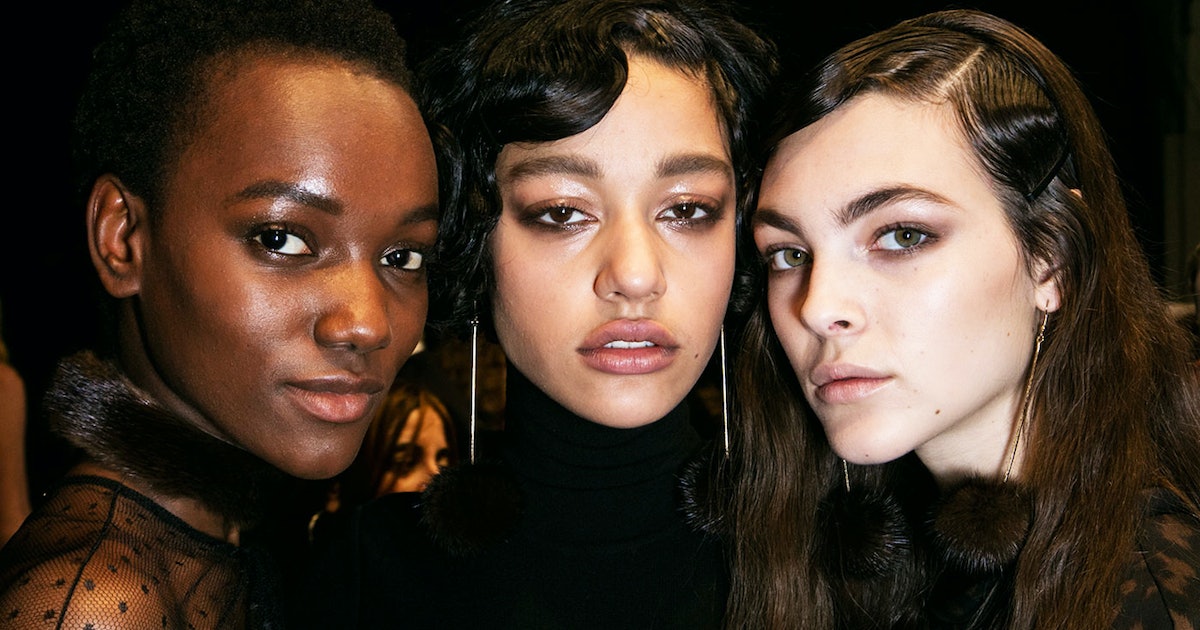
Everyone has a unique and distinct skin tone, created by two main factors. The first factor is the actual color of your skin, known as your skin’s pigment. The second factor is your skin’s undertone, which is made up of warm, cool, and neutral tones that give your skin a certain look and feel, and which determines what colors look best on you.
Having an accurate understanding of your skin undertone is essential to being able to successfully wear the right makeup and clothing colors. This comprehensive guide will teach you everything you need to know about skin undertones and how to determine yours.
What Causes Skin Undertones
Skin undertones are created due to a complex interplay between melanin deposits, pigmentation, blood vessels, and genes. Genetics play a large role in determining skin tone and can influence the production of melanin, and the type and concentration of melanin your skin produces.
The amount of melanin in your skin determines the actual color of your skin, and the type of melanin is what determines the undertone. Melanin can be broken down into two main types: eumelanin, which is responsible for cool undertones, and pheomelanin, which is responsible for warm undertones.
How to Identify Your Skin Undertone
Identifying your own skin undertone will require you to use your observation and intuition, as well as a few simple steps that will help you accurately determine your skin’s undertone. Here’s a quick and easy guide for identifying your skin undertone:
- Examine the Veins on Your Wrist
One of the simplest and most effective ways to determine your skin undertone is to take a close look at the veins on the inside of your wrist. If the veins appear green, then you likely have a warm undertone. If the veins appear blue or purple, then you probably have a cool undertone. If you can’t quite tell, or have veins of both colors, then you likely have a neutral undertone.
- Check How Sunburns Appear on Your Skin
Your reaction to sun exposure can provide additional insight into your skin undertone. If your skin tends to get red or freckle quickly, then you probably have a warm skin tone. On the other hand, if your skin tends to just get darker or tans easily, then you likely have a cool undertone.
- Consider Your Skin’s Natural Color
When it comes to skin color, a broad range of shades can be classified into three primary categories – fair, light, and dark. Fair skin is usually associated with cool skin undertones, as playing off of the bluish-pink hues that are usually found in lighter skin tones. Light skin usually has either warm or neutral undertones, while dark skin usually has cool or neutral undertones.
- Evaluate Your Makeup Color Choices
Another way to identify your skin undertone is to assess which colors you tend to prefer when selecting makeup for your face. Cool undertones tend to opt for colors with more icy or blue-based hues, while warm skin tones often prefer colors with yellow or peach-based hues. Neutral undertones typically don’t have a strong preference for either.
The Effects of Skin Undertone on Color Selection
You can use your knowledge of skin undertones in order to pick the most flattering colors for your skin. Knowing your skin undertone will help you pick colors and makeup shades that will look the most natural on your skin and help to enhance your features.
• Cool Undertones
Cool undertones should opt for colors with blue or gray hues, such as purple, burgundy, navy, peach, and pink.
• Warm Undertones
Warm undertones should choose colors with yellowish or cream-based hues, such as gold, brown, olive, yellow, orange, and light pink.
• Neutral Undertones
Neutral undertones can typically wear most colors, but might want to stay away from any bright colors that are too bold.
The key to looking your best is to understand your individual skin undertone and use it to your advantage when selecting colors for your skin and makeup. By following this guide, you should now know how to identify your skin undertone and how to use it to find the colors that will look best on you. Being aware of your skin undertone will also help you to instantly become aware of colors that won’t suit you. Now all you have to do is find the colors you love and make them your own!