
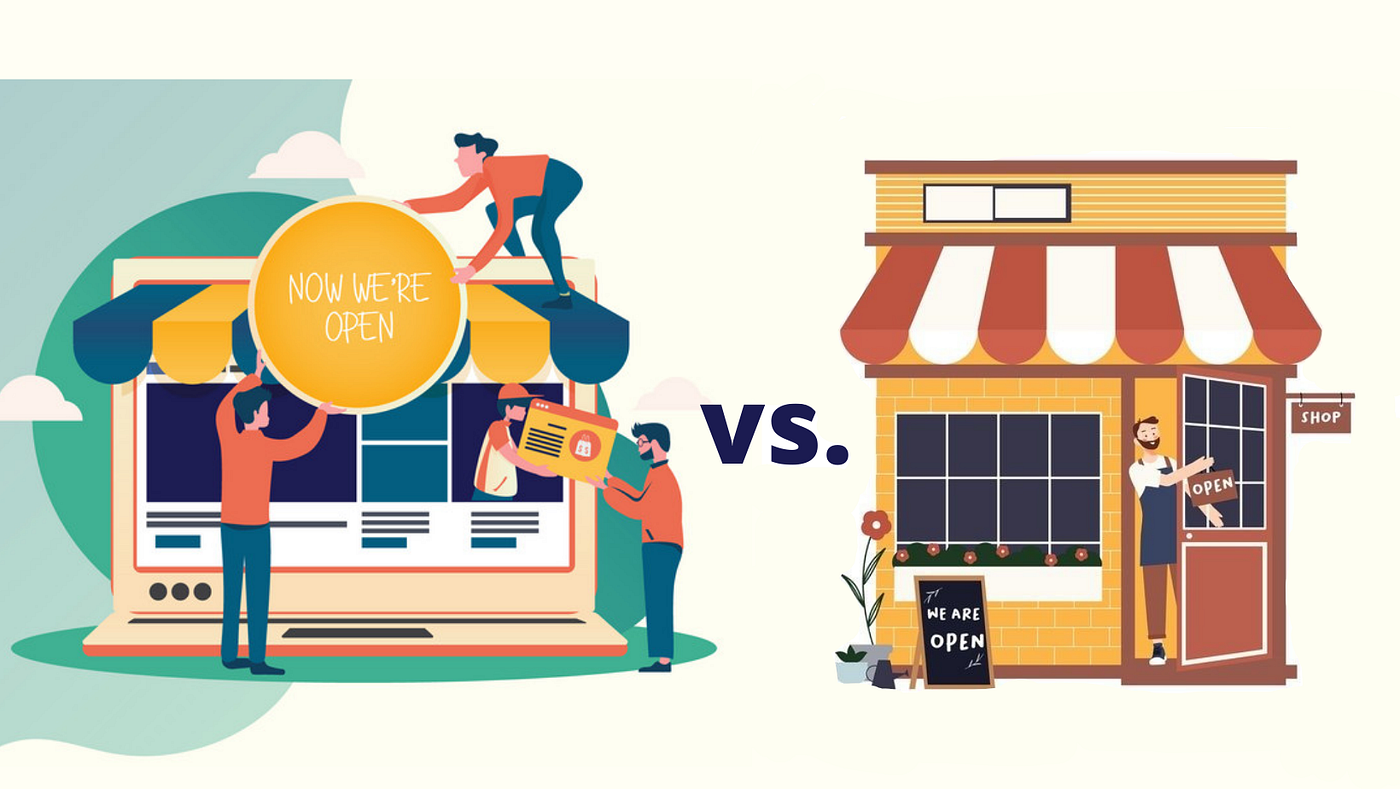
Brick and Mortar Stores vs Online Retail Sites: Is One Better Than the Other?
The world of shopping has changed drastically over the past few decades. This change has been largely driven by technology and the introduction of online retail sites such as Amazon, eBay, and more. The ubiquity of these e-commerce platforms provides customers with unparalleled convenience. However, this convenience has challenged the traditional brick-and-mortar store and led to a comparison of the two realms of shopping. This article will explore the differences between the two types of stores, the strengths and weaknesses of each, and ultimately decide if one is better than the other.
History of Brick and Mortar Stores
The concept of brick-and-mortar stores is nothing new. In fact, it can trace its origins back to the early days of human settlement. These stores, at their core, are physical locations where individuals can go to purchase goods or services. Over time, these stores have evolved to become the cornerstones of commercial activity all over the world.
Today, brick-and-mortar stores are the heart of many cities and towns throughout the world. They provide communities with access to the things they need and also help to create a sense of space and place. Additionally, these stores are run by individuals that are often a part of the community and have an emotional connection to the products they are selling.
Advantages of Brick and Mortar Stores
When compared to online retail sites, brick and mortar stores offer customers a number of advantages. Some of the primary advantages include:
-
Immediate availability of products: With brick and mortar stores, customers can get their hands on the item of interest immediately. There is no waiting for order delivery or any other delay.
-
Personal touch: When shopping in-store, customers can converse with knowledgeable staff who can provide valuable insights about the products on offer. This cannot be replicated online.
-
Community connections: Shopping in-store often helps to create connections between customers and the local community. This strengthens the sense of place and can be beneficial for both the customers and the businesses.
-
Tangibility: For certain items, it is important to be able to check them out in person. This is difficult to replicate online and could be critical when making a purchase decision.
-
Personal Experience: The personal experience involved with shopping at a local store is hard to replicate online. The products offerings, atmosphere, and variety at a traditional store are hard to compete with.
Disadvantages of Brick and Mortar Stores
As much as there are advantages to shopping in-store, there are also some disadvantages that cannot be ignored. These include:
-
Limited inventory: Brick and mortar stores often have a limited selection of products on offer. If a customer is not able to find what they are looking for in-store, they may have to look elsewhere.
-
High overhead: Due to the nature of physical stores, running costs can be high. This can limit a brick-and-mortar store’s ability to offer competitive prices or invest in new products.
-
Rigid operating hours: As stores need to open and close at regular times, this means customers may not be able to shop when they want.
Advantages of Online Retail Sites
Online retail sites such as Amazon, eBay, and others offer customers a host of advantages that physical stores cannot match. Many of the primary advantages include:
-
Wider selection of items: Online retail sites often have much larger product offerings with detailed information about each product. This allows the customer to make more informed decisions and find exactly what they are looking for.
-
Low overhead: As there is no need for physical operating space, running costs for online retail sites can be significantly lower. This can lead to more competitive prices for customers.
-
Convenience: Online sites offer customers the convenience of shopping from wherever they are. There is no need to travel to physical stores and customers have access to goods at any hour of the day.
-
Reviews: Online retail sites often feature feedback sections where customers can leave reviews of the products they have purchased. This can be beneficial in helping other customers make informed decisions.
-
Discounts and Promotions: Due to the high competition between online sites, discounts and other promotions are quite common. This can give customers access to even better prices and products.
Disadvantages of Online Retail Sites
Despite the range of advantages offered by online retail sites, there are a few teething problems with this form of shopping. These include:
-
Delays in delivery: Depending on the product, it could take days or even weeks for customers to receive their orders. During this period, their item could be subject to additional delays due to things like bad weather or technical issues.
-
Lack of tangibility: As the customer is unable to physically handle the product, it can be hard to judge its quality or whether it is the right fit for their needs.
-
Security concerns: With any online transaction, there is a risk of security issues. This could include identity theft or credit card fraud. Customers need to be extra vigilant when using online retail sites and consider using secure payment methods such as PayPal.
Overall, both brick and mortar stores and online retail sites have their own pros and cons. For in-store shopping, customers get the advantage of tangible goods, personal touches, and an overall experience that can’t be replicated in the internet realm. However, the convenience and access to the wider selection of products offered by online sites is tough to beat. Ultimately, it comes down to personal preference and the customer’s unique needs. In some cases, both can be used to provide a comprehensive shopping experience.


